By Dr. Odimientimi Agbedeyi
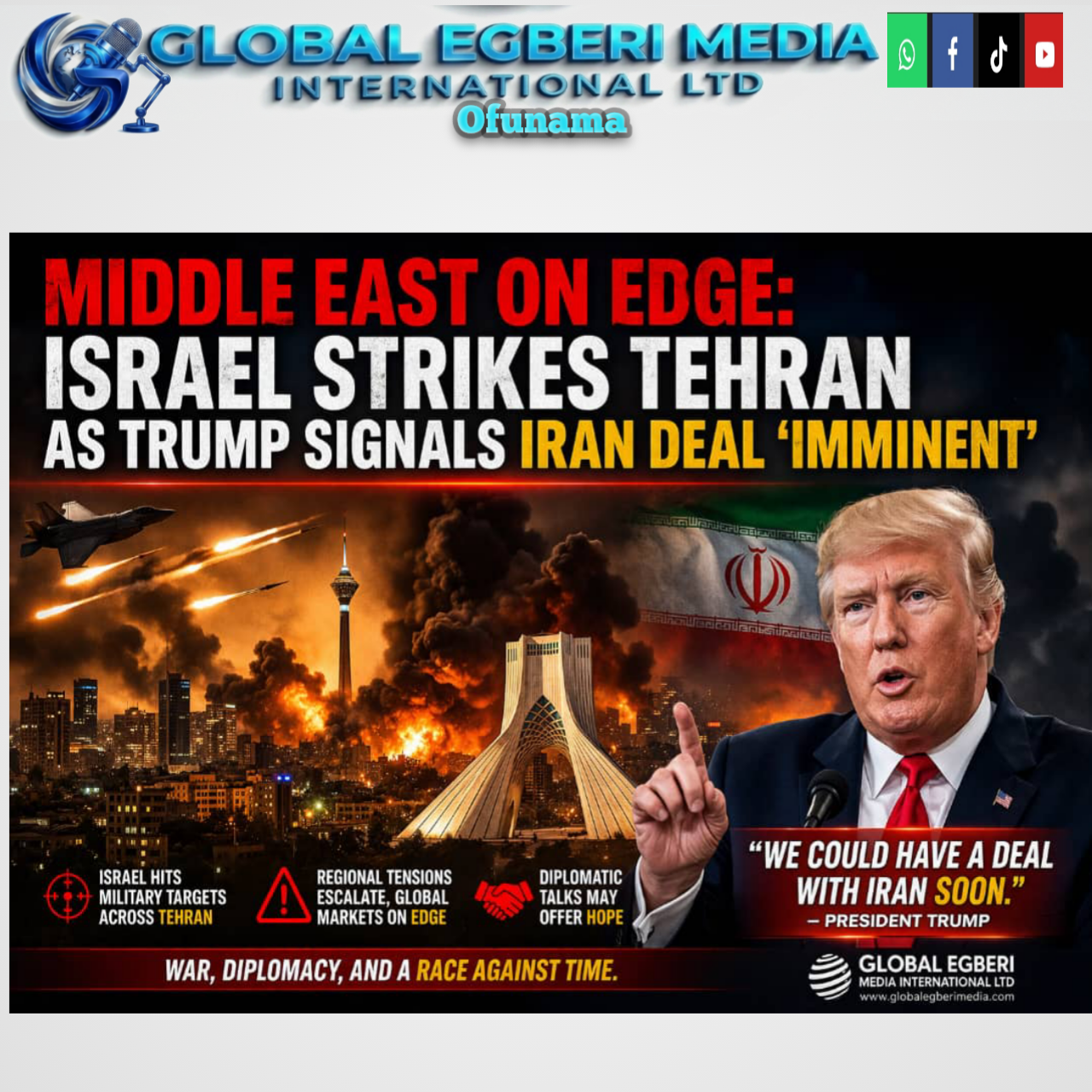
The Middle East has once again become the epicenter of global tension following a dramatic escalation in hostilities between Israel and Iran, even as diplomatic signals from former U.S. President Donald Trump suggest that a breakthrough deal with Tehran could be reached “soon.” This paradox of intensifying warfare alongside cautious diplomacy underscores the fragile and highly volatile state of global geopolitics.
Recent developments indicate that Israeli forces have launched coordinated and strategic airstrikes across Tehran, targeting critical military installations. These attacks are believed to be part of a sustained effort to dismantle Iran’s military capabilities, particularly its missile infrastructure and strategic defense systems. The strikes mark one of the most direct and significant assaults on Iranian soil in recent history, raising fears of a broader regional conflict.
Military analysts report that several high-value targets, including missile production facilities and command centers, have been severely impacted. While these operations may have temporarily weakened Iran’s offensive capacity, experts caution that Iran’s military structure is highly decentralized, meaning its ability to retaliate remains intact and potentially unpredictable.
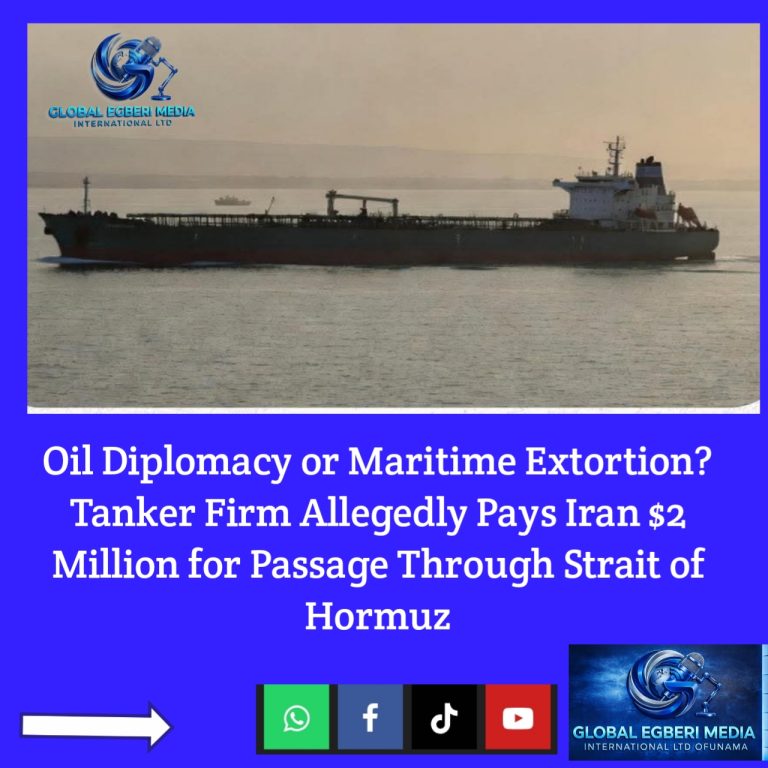
In response, Iran has reportedly launched retaliatory strikes, not only toward Israeli interests but also extending into parts of the Gulf region. This widening scope of engagement has heightened concerns among global observers about the possibility of a full-scale regional war involving multiple state and non-state actors. Of particular concern is the Strait of Hormuz, a critical global oil transit route, where disruptions have already begun to affect international energy markets.
Amid these rising tensions, Donald Trump has maintained a notably optimistic tone regarding diplomacy. According to recent statements, negotiations—though indirect—are progressing, with a potential agreement that could bring an end to hostilities in the near future. The proposed deal is expected to include strict conditions on Iran’s nuclear program, limitations on ballistic missile development, and a rollback of its regional military influence.
However, Iranian authorities have expressed deep skepticism about these overtures. Officials in Tehran insist that any meaningful negotiations must begin with an immediate halt to military aggression and assurances against future attacks. Iran has also emphasized the need for a broader regional framework that acknowledges its alliances and strategic interests.
The situation is further complicated by political dynamics within the United States. Reports suggest that the Pentagon is actively reviewing contingency plans, including the possibility of ground operations in Iran. While such plans are not uncommon during escalating conflicts, their mere existence has intensified global concerns about a potential transition from limited strikes to full-scale war.
In Israel, the government appears resolute in its military strategy. Officials argue that sustained pressure on Iran is necessary to neutralize what they describe as existential threats, particularly concerning nuclear development and regional influence. This stance suggests that Israel may continue its operations regardless of ongoing diplomatic efforts.
Beyond military calculations, the humanitarian consequences of the conflict are becoming increasingly alarming. Casualties continue to rise, with thousands reportedly affected by the ongoing violence. Displacement, infrastructure damage, and limited access to reliable information within Iran have compounded the crisis, making independent verification of events difficult.
Globally, the response has been swift and varied. Protests have erupted in several countries, calling for an immediate ceasefire, while diplomatic actors are intensifying efforts to mediate between the conflicting parties. These initiatives reflect a growing consensus that a military solution alone cannot resolve the crisis and that sustained diplomatic engagement is essential.
The current situation presents a striking contradiction: a region on the brink of deeper conflict, yet simultaneously inching toward possible peace. Whether diplomacy will ultimately prevail over military escalation remains uncertain. What is undeniable, however, is that the outcome of this crisis will have far-reaching implications for global stability, economic security, and the future of international relations.
Conclusion
The unfolding events in Tehran and the broader Middle East represent a defining moment in modern geopolitics. As Israel intensifies its military operations and diplomatic signals from Washington hint at a potential breakthrough, the world watches closely. The coming days will be critical in determining whether this crisis escalates into a prolonged conflict or transitions into a historic agreement.
About the Author