
By Dr. Odimientimi Agbedeyi
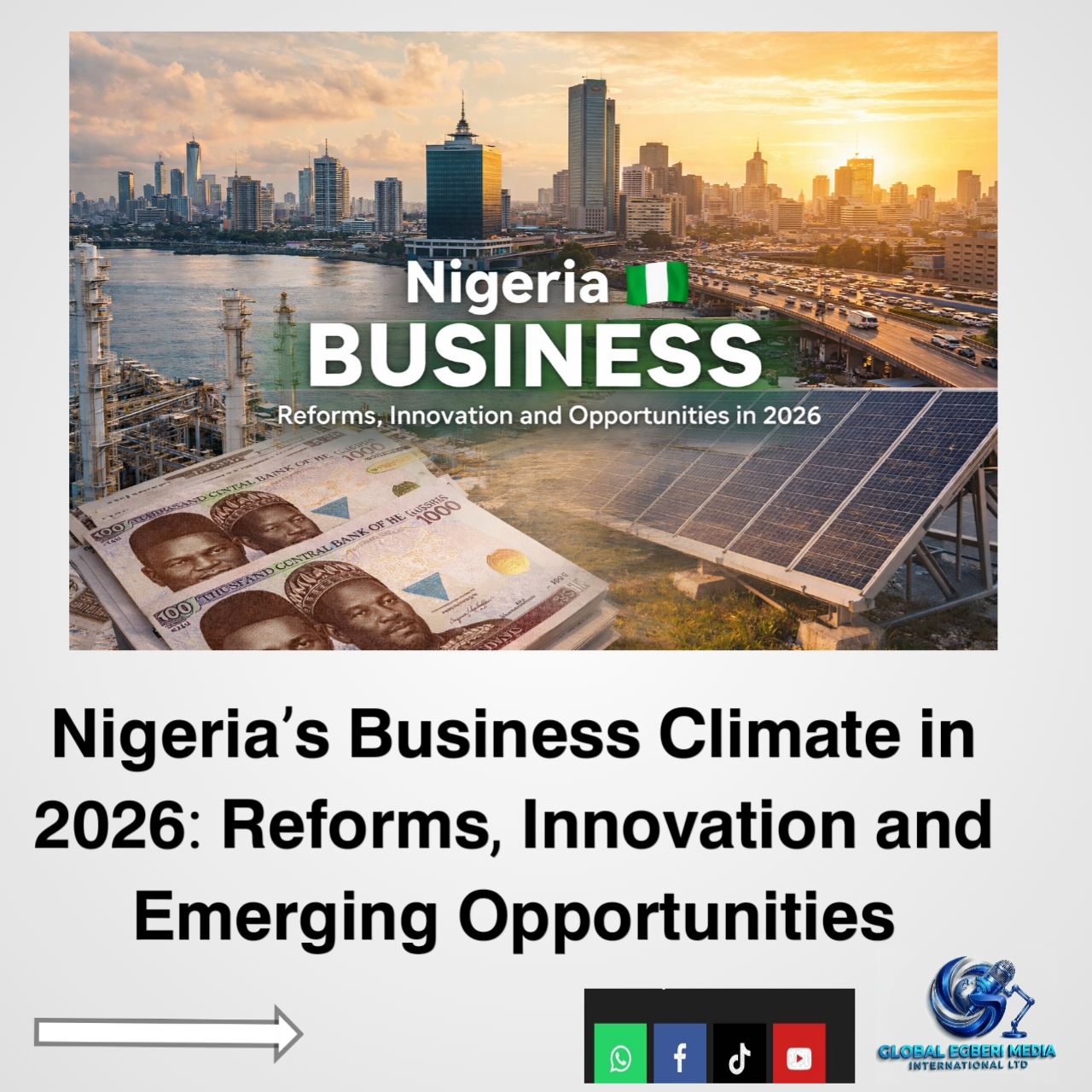
Nigeria’s business environment in 2026 continues to present a complex blend of opportunities, reforms, and persistent economic challenges. As Africa’s largest economy by population, the country remains a strategic hub for investment, entrepreneurship, and commercial expansion across the continent. Despite ongoing economic pressures, Nigeria’s private sector has demonstrated remarkable resilience, with businesses adapting to shifting policies, global market changes, and technological advancements.
Across various sectors—banking, telecommunications, manufacturing, agriculture, and digital technology—Nigerian enterprises are recalibrating strategies to maintain competitiveness in a rapidly evolving economic landscape.
Economic Reforms and Policy Direction
Recent economic policies introduced by the administration of Bola Ahmed Tinubu have significantly influenced Nigeria’s business environment. Key reforms include the removal of fuel subsidies and adjustments within the foreign exchange market aimed at creating a more transparent and competitive economic system.
While these reforms have generated debate among economists and industry stakeholders, many analysts argue that they are necessary to correct structural imbalances that have long affected Nigeria’s fiscal stability.
The Central Bank of Nigeria has also implemented several monetary policies designed to stabilize the naira and curb inflation. These include adjustments to interest rates and tighter financial regulations aimed at strengthening investor confidence and improving macroeconomic stability.
Fintech Boom and Digital Transformation
Nigeria’s technology sector has emerged as one of the fastest-growing segments of the economy. Financial technology companies are leading this transformation, providing innovative solutions that enhance financial inclusion and digital payments.
Major fintech companies such as Flutterwave, Paystack, and Interswitch have positioned Nigeria as a major fintech hub in Africa.
These platforms enable businesses and consumers to perform secure digital transactions, significantly reducing reliance on traditional banking channels. The rapid adoption of digital financial services has also created employment opportunities and attracted significant international investment into Nigeria’s technology ecosystem.
Small Businesses: The Backbone of the Economy
Small and medium-sized enterprises (SMEs) remain critical to Nigeria’s economic development. These businesses account for a substantial portion of employment and contribute significantly to local economic activity.
However, SMEs continue to face multiple challenges, including limited access to credit facilities, unstable electricity supply, and high operational costs.
Institutions such as the Bank of Industry and the Small and Medium Enterprises Development Agency of Nigeria have introduced programs aimed at supporting entrepreneurs through financial assistance, capacity building, and technical training.
Despite these efforts, experts believe more structural reforms are needed to improve the ease of doing business and encourage entrepreneurship across the country.
Industrial Expansion and Energy Investments
Nigeria’s industrial sector is also witnessing significant developments. Large-scale investments in refining, manufacturing, and energy infrastructure are expected to reshape the country’s economic landscape.
The industrial initiatives spearheaded by the Dangote Group, particularly the development of one of the world’s largest petroleum refineries, are projected to reduce Nigeria’s dependence on imported fuel while strengthening domestic production capacity.
Meanwhile, renewable energy initiatives—particularly solar power solutions—are increasingly gaining traction as businesses seek alternatives to costly diesel generators.
Foreign Investment Outlook
Nigeria continues to attract foreign investors seeking access to Africa’s rapidly growing markets. Telecommunications, agriculture, energy, and digital technology remain among the most attractive sectors for international investment.
However, experts caution that sustained investment growth will depend largely on improved security, policy consistency, and stronger institutional governance.
Economic analysts maintain that Nigeria’s large population, expanding consumer market, and growing middle class offer substantial opportunities for long-term economic growth.
Looking Ahead
While Nigeria’s business environment continues to face structural challenges, the country’s economic fundamentals remain promising. With continued reforms, infrastructure development, and technological innovation, Nigeria has the potential to strengthen its position as one of Africa’s most influential economic powers.
For entrepreneurs, investors, and policymakers alike, the coming years will play a decisive role in shaping the trajectory of Nigeria’s economic transformation.
Source: Global Business Analysis
Homepage: https://globalegberi.com.ng/wp
About the Author