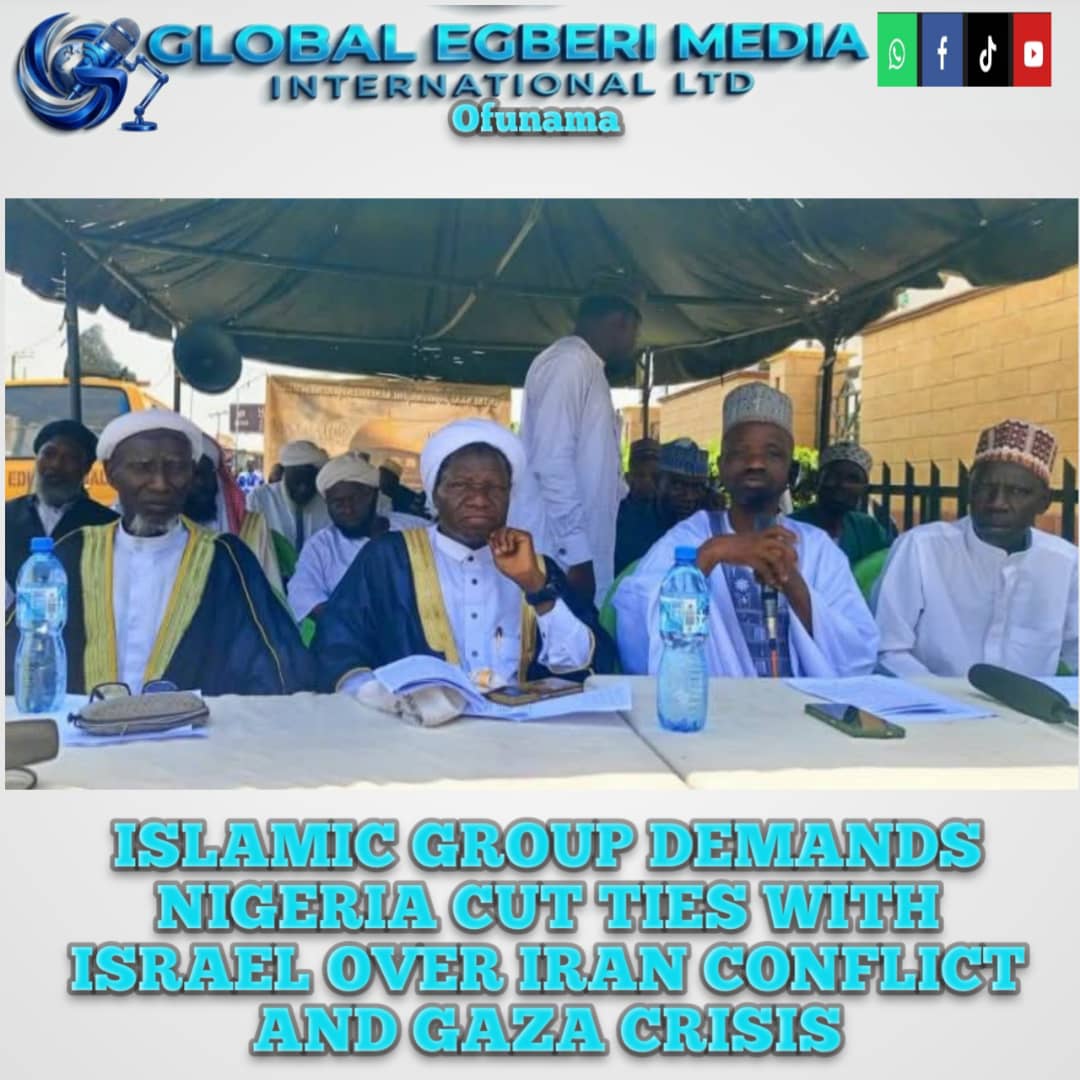
ISLAMIC GROUP DEMANDS NIGERIA CUT TIES WITH ISRAEL OVER IRAN CONFLICT AND GAZA CRISIS
The intensifying geopolitical tensions in the Middle East have begun to echo far beyond the region, reaching political and religious circles in Africa. In Nigeria, a prominent Islamic organisation, Al-Harakatul Islamiyyah, has called on the Federal Government to sever diplomatic relations with Israel, citing the ongoing Iran–Israel tensions and the humanitarian crisis unfolding in Gaza. The group argues that Nigeria must take a decisive moral stance rather than maintaining what it describes as diplomatic neutrality. (Punch Newspapers)
The demand was made during activities marking International Quds Day, an annual event observed in many parts of the Muslim world to express solidarity with Palestinians and highlight the significance of Al-Aqsa Mosque in Jerusalem. During the gathering, leaders of the organisation accused Israel and its allies of escalating instability in the Middle East and urged Nigeria to openly condemn what they described as aggression against Palestinians. (Punch Newspapers)
Rising Global Tensions and Their Local Echoes
The call by the Islamic group comes at a time when tensions in the Middle East remain high due to the long-running conflict involving Israel, Iran, and Palestinian territories. Since the outbreak of the Gaza war following the October 2023 attacks, the region has witnessed a series of military confrontations, diplomatic confrontations, and global protests. The conflict has drawn in regional powers and has become one of the most contentious geopolitical crises of the modern era. (Punch Newspapers)
Iran and Israel have remained bitter adversaries for decades, particularly since the 1979 Iranian Revolution, which transformed Iran from a partner of Israel under the monarchy into one of its fiercest ideological opponents. Iranian leaders have consistently rejected Israel’s legitimacy and positioned themselves as strong supporters of the Palestinian cause. (Wikipedia)
This broader ideological and political rivalry has often reverberated across the Muslim world, influencing political rhetoric, public demonstrations, and calls for diplomatic action in countries far from the Middle East—including Nigeria.
The Position of Al-Harakatul Islamiyyah
In a statement reportedly signed by the group’s Amir, AbdulRazzaq AbdulWahab Al-Amin Aladodo, the organisation urged Nigeria to abandon what it termed “tokenistic diplomacy” and take a clear position against Israel and its allies.
According to the group, merely calling for peace or restraint in the Middle East without identifying what it believes are the “aggressors” amounts to complicity. The organisation insisted that Nigeria should openly condemn the actions of Israel and the United States in the ongoing conflict. (Punch Newspapers)
The Islamic group specifically demanded that Nigeria terminate diplomatic relations with Israel, arguing that the continued relationship undermines international efforts to hold Israel accountable for alleged human rights violations in Gaza.
Members of the organisation also highlighted restrictions around Al-Aqsa Mosque, one of the holiest sites in Islam, describing them as part of broader injustices faced by Palestinians.
Call for Muslim Unity
Beyond Nigeria’s diplomatic stance, the group also addressed what it described as divisions within the global Muslim community. According to the organisation, the ongoing suffering of Palestinians is partly the result of disunity among Muslim nations and their inability to present a unified front.
During the Quds Day gathering, speakers emphasised the need for Muslim countries to overcome sectarian and political divisions in order to defend what they described as the collective interests of the Islamic world.
“The Muslim Ummah must rise above sectarian divides,” the group reportedly stated, stressing that unity remains essential for addressing the Palestinian crisis. (Punch Newspapers)
The organisation also criticised diplomatic normalisation efforts between Israel and certain Arab nations, particularly agreements such as the Abraham Accords, which have led to renewed diplomatic relations between Israel and some Gulf states.
According to the group, these agreements weaken the Palestinian cause and legitimise what they describe as continued Israeli occupation.
Nigeria’s Diplomatic Balancing Act
Nigeria has historically maintained diplomatic relations with Israel while also expressing support for a peaceful resolution to the Israeli-Palestinian conflict. Over the years, Nigeria has often adopted a cautious diplomatic posture, emphasising dialogue, ceasefire negotiations, and humanitarian assistance rather than taking strongly partisan positions.
The relationship between Nigeria and Israel dates back decades and has included cooperation in areas such as agriculture, technology, and security. Despite occasional political tensions and protests, the two nations continue to maintain formal diplomatic ties.
However, Nigeria’s diverse religious and political landscape means that global conflicts—especially those involving religious sensitivities—often trigger strong reactions from local groups and activists.
Controversies and Geopolitical Complexity
The situation is further complicated by competing narratives surrounding the Middle East crisis. While some Islamic organisations emphasise solidarity with Palestine and Iran’s role in resisting Israel, other international actors warn of the geopolitical implications of Iran’s influence beyond the Middle East.
For example, the Israeli ambassador to Nigeria recently alleged that Iran has been supporting Islamic movements in Nigeria as part of a broader effort to expand its geopolitical influence. Such claims have added another layer of complexity to an already sensitive issue involving religion, diplomacy, and global security. (Businessday NG)
These accusations highlight how the Middle East conflict has evolved into a wider geopolitical struggle involving multiple global powers, ideological movements, and regional alliances.
Voices of Protest and Public Demonstration
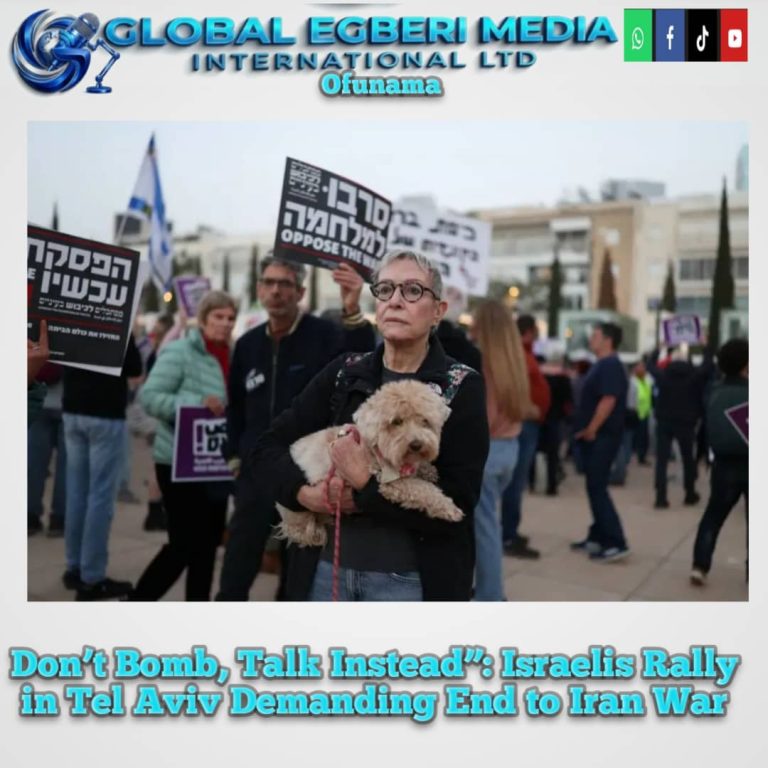
The Quds Day event where the demand was made reportedly included demonstrations and public speeches calling attention to the plight of Palestinians.
Participants carried banners and placards condemning the war in Gaza and urging Muslim nations to adopt stronger diplomatic and political measures against Israel.
For many participants, the demonstration was not merely a political protest but also a symbolic expression of religious solidarity with Palestinians and a call for global justice.
Implications for Nigeria
While the demand by Al-Harakatul Islamiyyah reflects the sentiments of a section of the Nigerian Muslim community, it remains uncertain whether the Federal Government would consider such a drastic diplomatic move.
Severing ties with Israel would have significant diplomatic and economic implications, particularly in areas where both countries cooperate.
Moreover, Nigeria’s foreign policy traditionally prioritises strategic neutrality and peaceful diplomatic engagement rather than abrupt geopolitical alignments.
Nevertheless, the call highlights how global conflicts increasingly shape political conversations within African societies, demonstrating that events thousands of kilometres away can have profound influence on domestic discourse.
A Conflict With Global Ripples
As tensions in the Middle East continue to unfold, the debate over how nations should respond remains intense. The call by Al-Harakatul Islamiyyah represents one of the latest voices in a growing global chorus demanding accountability, solidarity, and political action.
Whether Nigeria will reconsider its diplomatic position remains uncertain, but the discussion underscores the powerful emotional and political resonance of the Israel-Palestine conflict across the world.
For observers of global politics, the episode serves as a reminder that the ripple effects of international conflicts are rarely confined to their immediate geographic boundaries.
They travel across continents, shape public opinion, influence diplomacy, and ultimately redefine the global conversation about justice, sovereignty, and peace.
Source: Punch Newspaper / Nigerian News Direct
Homepage: https://globalegberi.com.ng/wp
Author: Dr. Odimientimi Agbedeyi
About the Author