Tinubu Commissions Ogun Airport, Reaffirms Fight Against Terrorism Amid Calls for Youth Political Reform
By Dr. Odimientimi Agbedeyi
Lagos, Nigeria – April 5, 2026:
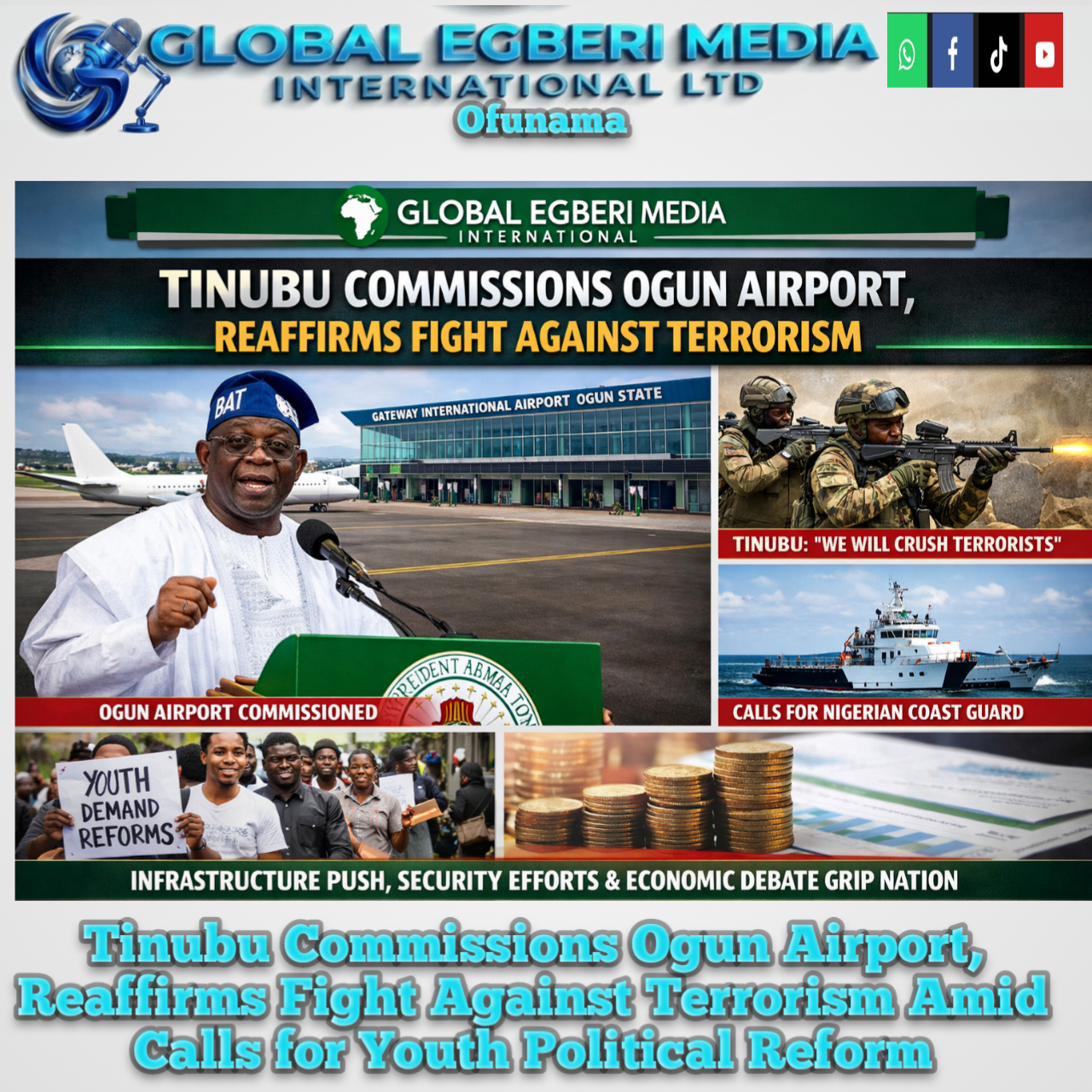
Nigeria today marked a significant milestone in its infrastructure development and security efforts as President Bola Ahmed Tinubu officially commissioned the Gateway International Agro-Cargo Airport in Ogun State, while reaffirming the Federal Government’s commitment to combating terrorism, banditry, and other forms of insecurity across the country. The commissioning ceremony drew political leaders, top government officials, investors, journalists, and members of the public, reflecting the growing national attention on infrastructure-driven economic growth.
Ogun International Airport Commissioned
The Gateway International Agro-Cargo Airport is strategically designed to handle agricultural exports, logistics, and cargo operations, and is expected to enhance trade and economic activity in the southwest region. At the commissioning ceremony, President Tinubu described the airport as a critical step in improving Nigeria’s trade infrastructure and creating opportunities for farmers, entrepreneurs, and investors.
“The vision of this administration is to ensure that Nigeria not only expands its infrastructure but also creates sustainable opportunities for every citizen. Projects like the Ogun Airport will enhance agricultural exports, attract investors, and create thousands of jobs,” President Tinubu stated.
The airport facility is equipped with modern cargo handling systems, advanced security measures, and international-standard terminals. Officials noted that the facility would provide a direct link for farmers and agribusinesses to international markets, significantly boosting Nigeria’s agricultural economy.
Strengthening Security and Combating Terrorism
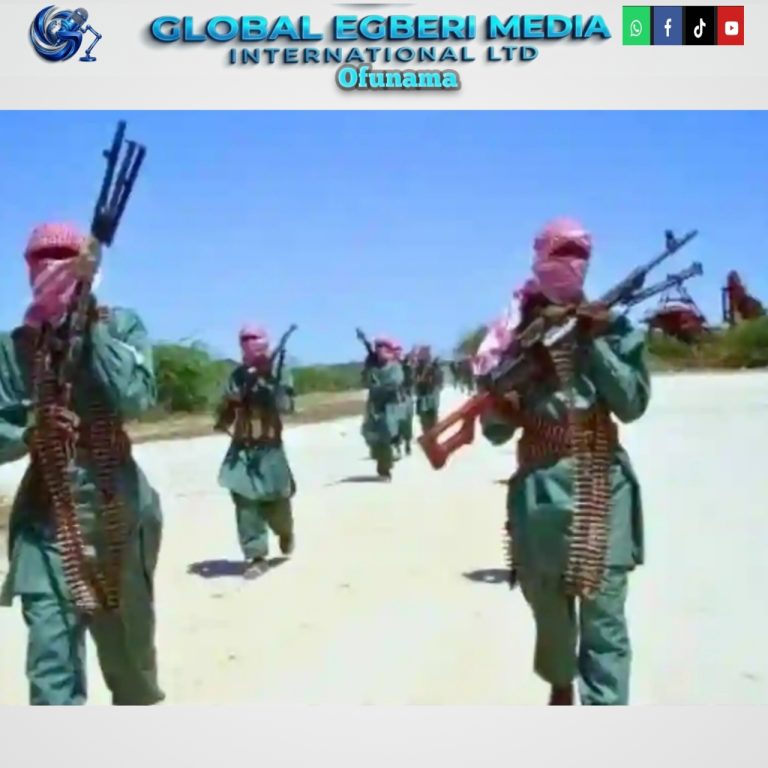
In a strong statement on national security, President Tinubu reiterated the Federal Government’s determination to eradicate terrorism and banditry. He emphasized that the administration is taking deliberate steps to strengthen the country’s security architecture, including increased funding, strategic operations, and investment in intelligence and human capital development.
“Nigeria will not relent in ensuring the safety and security of every citizen. Our military and paramilitary forces are well-equipped and resolute in eliminating terrorism, protecting communities, and securing lives and properties,” Tinubu said.
The government’s renewed focus on security comes amid persistent challenges in the northern and central regions, where armed groups continue to disrupt communities and hinder economic activities. Authorities have intensified operations in affected areas, and the president highlighted that the government is committed to a comprehensive approach that addresses the root causes of insecurity.
Calls for Nigerian Coast Guard Intensify
In addition to addressing land-based security, maritime stakeholders have emphasized the urgent need for a Nigerian Coast Guard to safeguard the nation’s territorial waters. Industry experts argue that a dedicated coast guard would bolster surveillance, curb illegal oil bunkering, and strengthen maritime law enforcement.
“The coast guard is essential for ensuring maritime security and supporting Nigeria’s economic interests along our waterways,” said a senior maritime official. Observers note that Nigeria’s strategic coastal location makes it imperative to have specialized forces dedicated to patrolling and protecting maritime resources.
Youth Demand Political Reform
The National Youth Council of Nigeria (NYCN) has raised concerns about the current political culture and called for reforms that would promote transparency, accountability, and greater inclusion of youth in governance. Speaking at a press briefing, NYCN officials urged political leaders to embrace policies that empower young people and provide platforms for meaningful participation in decision-making processes.
“Youth inclusion in politics is no longer optional; it is a necessity for national development. Our leaders must be accountable, transparent, and open to engaging the younger generation in shaping Nigeria’s future,” NYCN said.
The youth advocacy aligns with broader public expectations that political reform is needed to tackle systemic challenges, prevent corruption, and ensure equitable development across all regions.
Economic Debates Over Borrowing Plan
Amid these developments, Nigeria’s economic landscape is also the focus of debate following the Federal Government’s plan to secure a $6 billion external loan. Critics argue that additional borrowing could strain the nation’s finances, especially considering existing debt obligations, while proponents contend that the funds are essential for financing infrastructure projects and closing fiscal gaps.
Analysts highlight that infrastructure investment, if properly managed, can stimulate economic growth and provide long-term returns. However, concerns remain about fiscal sustainability, transparency, and the need for effective monitoring to ensure that borrowed funds are deployed efficiently.
A Comprehensive Vision for National Progress
Today’s developments illustrate the administration’s multi-faceted approach to national development—combining infrastructure expansion, economic strategy, and security enhancement. The Ogun Airport stands as a symbol of the government’s commitment to modernizing Nigeria’s logistics and trade capabilities, while security measures and youth advocacy efforts demonstrate a focus on societal stability and governance reform.
Observers note that successful implementation of these initiatives could have far-reaching impacts, including job creation, improved trade balance, and enhanced citizen confidence in government programs. The coordination between infrastructure projects, security reforms, and economic policy is seen as crucial in creating a holistic framework for sustainable national development.
Looking Ahead
As Nigeria continues to navigate complex economic, political, and security challenges, today’s inauguration of the Ogun International Airport represents more than just an infrastructure milestone—it signals a commitment to national growth, stability, and inclusive governance. Stakeholders, from investors to youth groups, remain hopeful that continued collaboration between government, civil society, and private sector actors will translate into tangible improvements in citizens’ lives.
From infrastructure expansion to the fight against terrorism, calls for a coast guard, youth political engagement, and fiscal debates, the nation is at a critical juncture. How effectively the government balances these priorities will shape Nigeria’s trajectory in the coming years.
Source: Sahara Reporters / Free Press Journal
🌐 Visit: Global Egberi Media International
About the Author