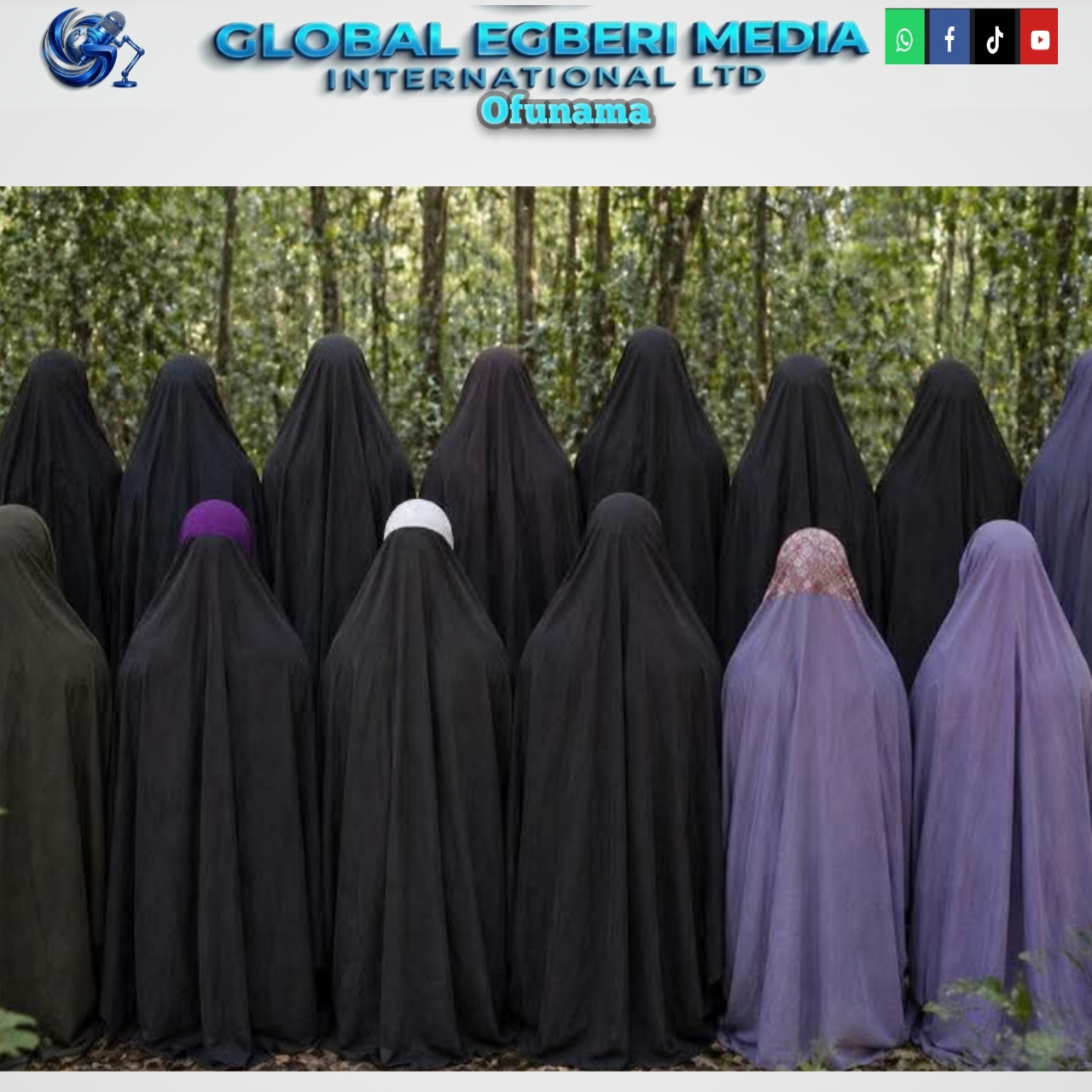
Fresh Alarm in Borno as 68 Women Reportedly Marked From Over 400 Captives for Forced Allocation by Terror Faction
By Dr. Odimientimi Agbedeyi
For Publication on Global Egberi Media International Ltd.
Fresh concern has erupted in Borno State following alarming claims by a civic advocacy group that 68 women have allegedly been singled out from a larger pool of over 400 captives reportedly being held by a terror faction operating within the troubled North-East region.
The disturbing allegation has intensified fears among residents, humanitarian workers, and security observers, many of whom warn that vulnerable civilians trapped in insurgent custody remain exposed to grave danger and exploitation.
While details remain difficult to independently verify due to the volatile security terrain, the report has nonetheless triggered widespread anxiety and renewed calls for urgent intervention by relevant authorities.
Humanitarian Distress Deepens
Community stakeholders described the development as heartbreaking and deeply troubling, stressing that women and children are often the most vulnerable victims during armed conflicts.
They warned that any attempt to forcibly allocate captives to fighters would represent a severe abuse of human dignity and a tragic continuation of patterns that have plagued conflict zones for years.
Advocates insist that beyond the statistics are real human lives—mothers, daughters, sisters, and families enduring unimaginable uncertainty.
Captivity in the Shadow of Insurgency
The North-East has endured years of insurgent violence marked by abductions, displacement, destruction of livelihoods, and repeated attacks on rural communities.
In many previous cases, captives have faced forced labour, exploitation, separation from loved ones, and prolonged psychological trauma.
Analysts note that hostage-taking remains one of the cruelest tactics used by extremist groups to spread fear, destabilize communities, and pressure authorities.
Pressure Mounts on Security Agencies
The latest claims have placed renewed pressure on the Federal Government, military authorities, intelligence services, and humanitarian partners to intensify rescue operations and protect vulnerable civilians in high-risk areas.
Experts say any intervention must combine tactical precision with civilian safety, while ensuring that survivors receive immediate care after release.
They also emphasized the need for long-term support systems including:
- Trauma counselling
- Medical assistance
- Family reunification
- Shelter and rehabilitation
- Education support
- Economic reintegration
Women as Hidden Casualties of Conflict
Across conflict theatres worldwide, women often bear silent and disproportionate suffering.
They are frequently displaced, widowed, abducted, or forced into degrading conditions that leave emotional scars long after headlines fade.
Observers say the plight of women in insurgency-hit areas must remain central to national security planning rather than an afterthought.
Call for Coordinated National Response
Community leaders in Borno have urged stronger collaboration among:
- Security agencies
- State authorities
- Traditional rulers
- Civil society groups
- International humanitarian partners
- Local vigilance networks operating lawfully
They maintain that only a coordinated and sustained response can dismantle the recurring machinery of terror and restore public confidence.
Beyond Numbers
Though the headline speaks of 68 women and over 400 captives, the real story is one of broken families, suspended hope, and communities trapped in grief.
Every captive represents a life interrupted. Every delayed response deepens anguish.
As Nigerians await credible updates and decisive action, the latest report from Borno stands as another solemn reminder that the battle against insurgency is not merely about territory—it is about protecting human lives, dignity, and the future of vulnerable communities.
About the Author