Blood on Uniform: Delta Killing Sparks Mass Police Shake-Up Nationwide
The Nigerian policing system has once again come under intense national scrutiny following a tragic incident that has shaken public confidence and reignited debates on accountability, justice, and reform.
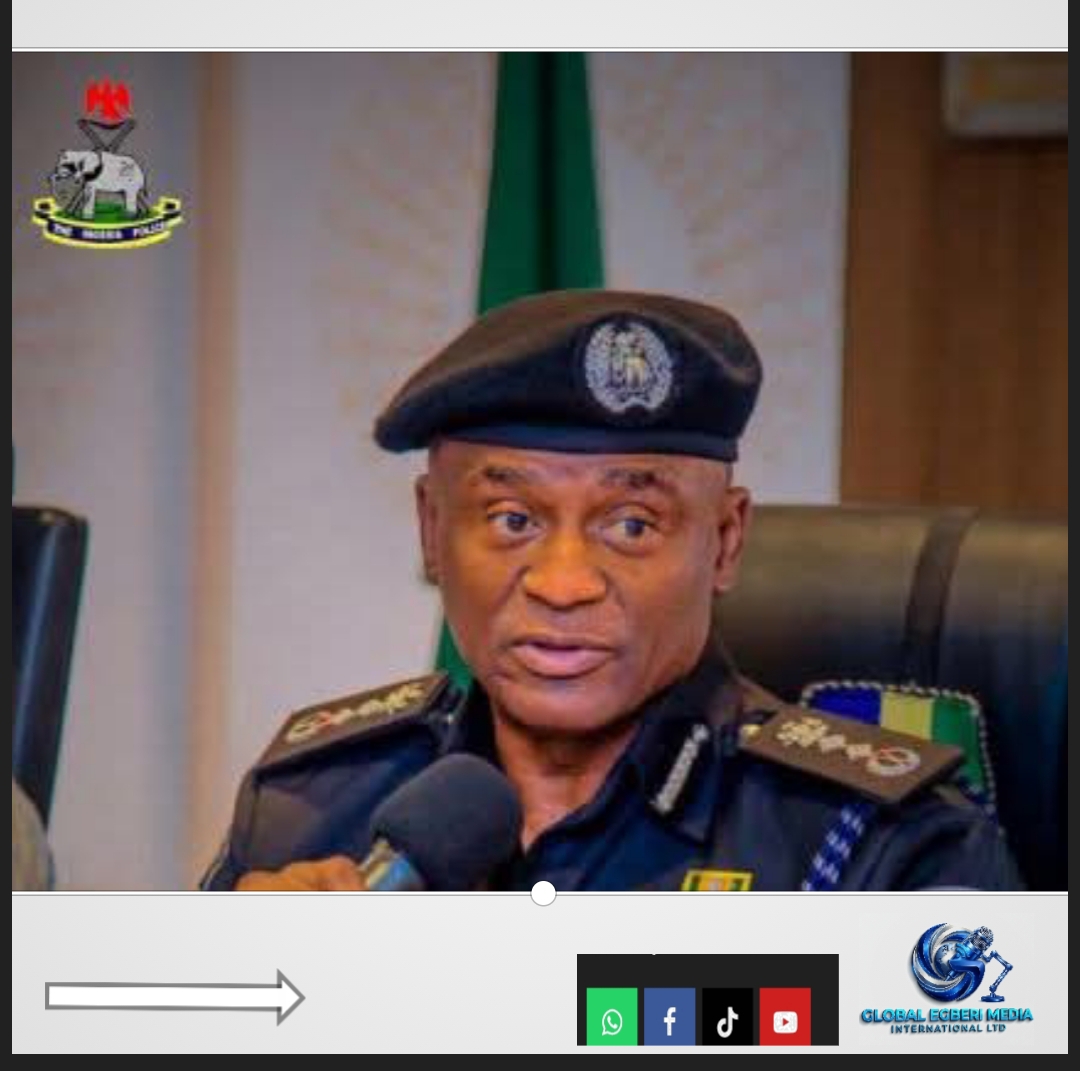
In a decisive and far-reaching response, the Inspector-General of Police, Olatunji Rilwan Disu, has ordered the immediate redeployment of 1,332 officers from the Nigeria Police Force’s Delta State Command. The sweeping action follows the controversial extrajudicial killing of a 28-year-old civilian, Mene Ogidi, in Effurun near Warri.
A Killing That Shocked the Nation
The incident, which occurred on April 26, 2026, involved a now-dismissed police officer, Nuhu Usman, who fatally shot Ogidi at close range despite the victim being unarmed and already restrained by civilians. (The Nation Newspaper)
Eyewitness footage that surfaced online showed Ogidi pleading for his life before being executed—an image that sparked outrage across Nigeria and beyond. The disturbing visuals amplified long-standing concerns about police brutality and misuse of force within the system.
IGP’s Hammer Falls: Mass Redeployment and Accountability
In response to the growing public anger, the police high command initiated a sweeping internal restructuring. The directive, issued from Force Headquarters in Abuja, mandates that all affected officers vacate Delta State immediately and report to new postings across the country. (EMTV News)
This unprecedented redeployment is widely interpreted as an attempt to sanitize the command structure, prevent internal interference, and restore public trust.
Beyond the transfers, disciplinary actions have also been taken. The officer responsible for the shooting has been dismissed and is set to face prosecution, alongside other implicated personnel. (ThisDayLive)
The IGP did not mince words, describing the act as “criminal, unprofessional, and unacceptable,” reinforcing that no suspicion of wrongdoing justifies unlawful killing.
Public Reaction: Applause, Skepticism, and Demands for Reform
While many Nigerians have commended the swift action by the police leadership, others remain skeptical, arguing that redeployment alone may not address systemic issues.
Critics insist that without deep institutional reforms, strict enforcement of rules of engagement, and continuous oversight, such incidents may persist.
Civil society groups and human rights advocates have renewed calls for:
- Independent police oversight mechanisms
- Enforcement of existing laws against brutality
- Psychological evaluation and retraining of officers
- Compensation and justice for victims’ families
A System at a Crossroads
The killing of Mene Ogidi is not just another headline—it is a painful reminder of the fragile relationship between citizens and law enforcement in Nigeria.
For many, this moment represents a test of sincerity for the Nigeria Police Force. Will this be another temporary reaction, or the beginning of a genuine transformation?
The answer lies not just in transfers and dismissals, but in sustained reforms, transparency, and accountability.
Final Reflection
Justice must not only be done—it must be seen to be done. The life of every Nigerian citizen carries equal value under the law, and institutions entrusted with protection must never become instruments of fear.
As the nation watches closely, one truth remains clear:
without justice, peace remains an illusion.
✍️ Report by Dr. Odimientimi Agbedeyi
Global Egberi Media International
Source: The Nation / Platform Times / Nigerian Voice
Website: https://globalegberi.com.ng
About the Author