Boro’s Forgotten Dream: IYC Raises Alarm Over Neglect, Political Exclusion, and Niger Delta Injustice
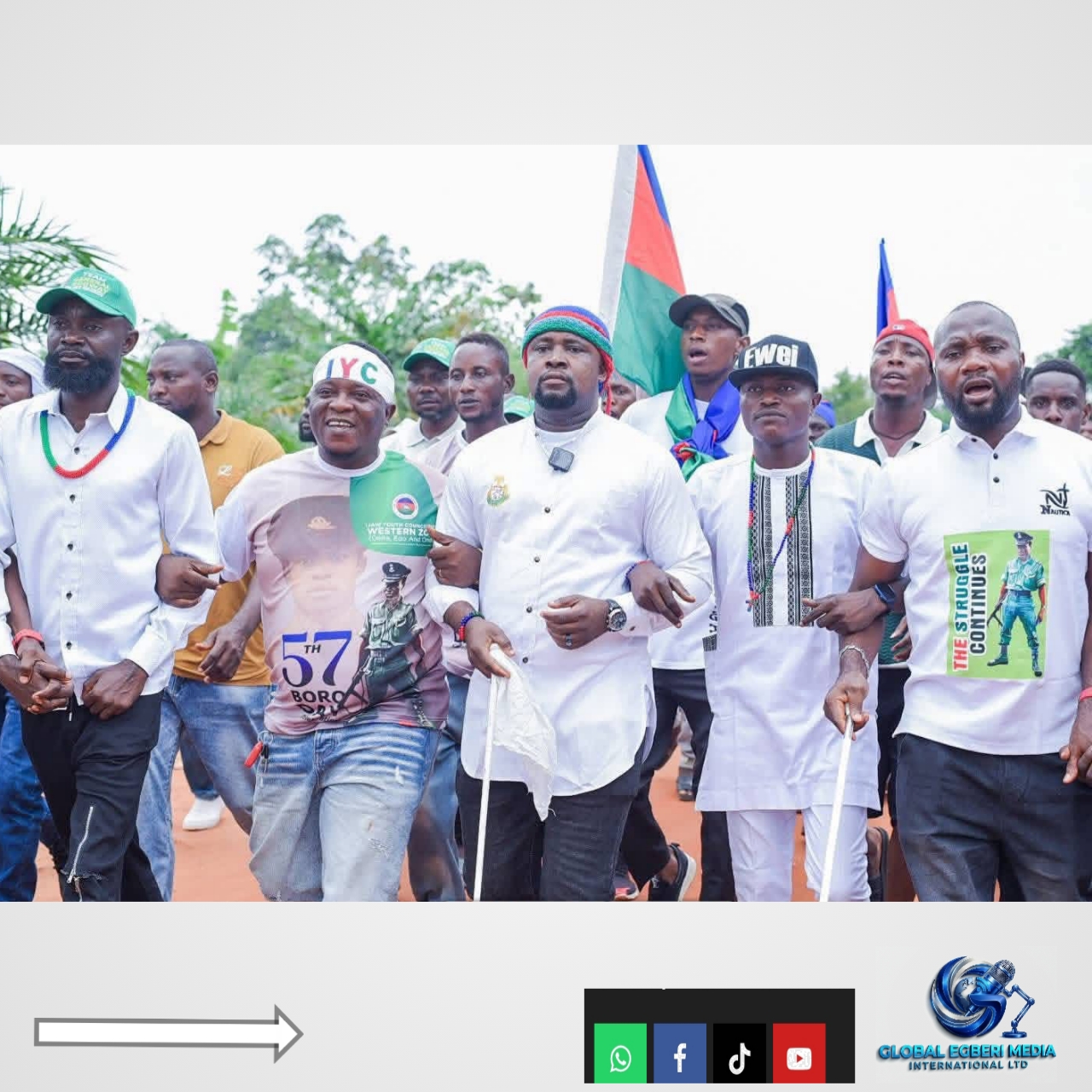
The echoes of frustration, pain, and resistance reverberated strongly across the abandoned Udo-Ofunama Road in Ovia South-West Local Government Area of Edo State as the Ijaw Youth Council used the occasion of the 58th Boro Day celebration to deliver one of the strongest political and developmental statements to emerge from the western Niger Delta in recent times.
What would ordinarily have been a ceremonial remembrance of late Niger Delta hero Jasper Isaac Adaka Boro transformed into a loud declaration against years of infrastructural abandonment, political exclusion, economic neglect, and what many speakers described as systematic marginalization of Ijaw communities in Edo State and the wider Niger Delta region.
At the centre of the protest was the abandoned Udo-Ofunama Road, a strategic route linking several riverine Ijaw communities whose economic survival depends heavily on accessibility, trade, fishing, and movement of goods and services. For years, the road has remained in a deplorable condition despite repeated government assurances, budgetary allocations, and intervention promises from federal and state authorities.
Speaking during the rally, Chairman of the IYC Western Zone, Nicholas Igarama, described the road project as a painful symbol of failed governance and institutional neglect against communities that contribute immensely to Nigeria’s crude oil production and economic survival.
According to him, over 300 Ijaw communities in Edo State continue to endure extreme hardship caused by poor infrastructure, insecurity, rising transportation costs, limited healthcare access, unemployment, and economic isolation.
“The continued abandonment of the Udo-Ofunama Road is not merely an infrastructural failure,” Igarama declared. “It is a direct attack on the dignity, safety, and economic existence of our people.”
The statement by the IYC captures a long-standing grievance shared by many oil-producing communities across the Niger Delta. For decades, the region has remained trapped in a painful contradiction — a land enormously rich in natural resources but plagued by poverty, environmental degradation, unemployment, poor roads, flooding, underdevelopment, and political neglect.
Editorially speaking, the concerns raised by the IYC cannot be dismissed as another routine protest by aggrieved youths. Rather, they reflect deeper structural tensions that successive governments have failed to address meaningfully.
The Niger Delta remains the economic heartbeat of Nigeria through crude oil exports, yet many communities producing this wealth still lack basic infrastructure, quality schools, healthcare facilities, potable water, electricity, and accessible roads. This contradiction continues to fuel distrust between the people and the Nigerian state.
Particularly troubling is the allegation that several agencies, including the Federal Ministry of Works, the Edo State Government, and the Niger Delta Development Commission, have repeatedly made promises concerning the Udo-Ofunama Road project without tangible completion efforts.
The demand by the IYC for public disclosure of funds allocated to the road project raises important questions about transparency, accountability, and project monitoring within intervention agencies operating in the Niger Delta.
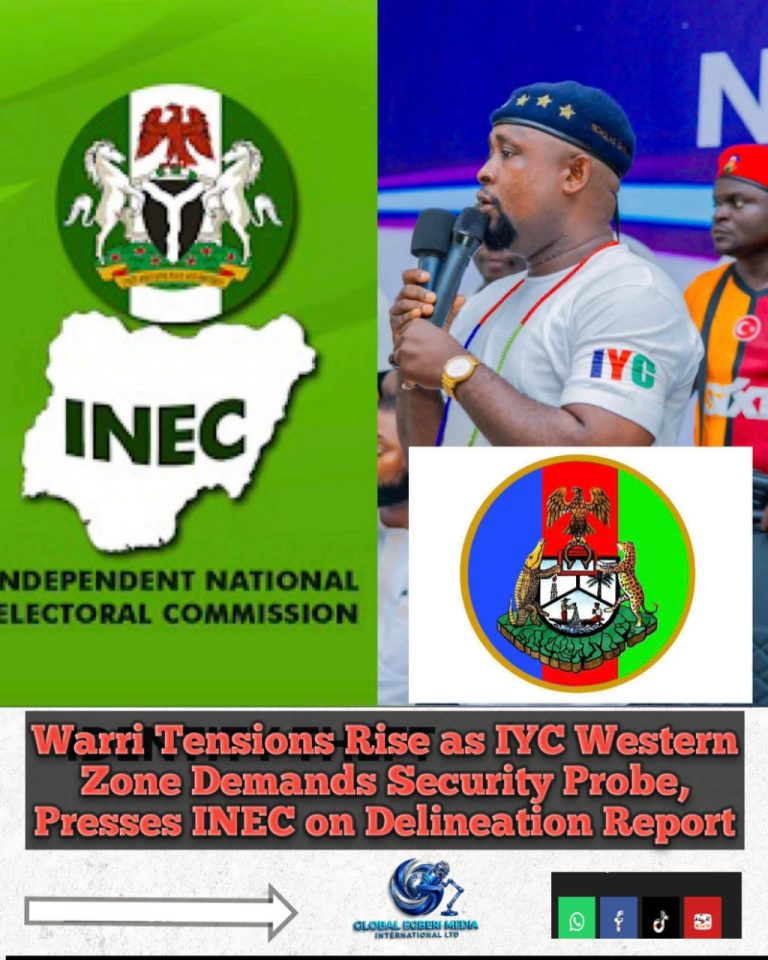
Beyond infrastructure, the rally also exposed unresolved political tensions surrounding the ward delineation crisis in Warri Federal Constituency. The IYC warned that continued delays in the delineation process threaten democratic participation, political fairness, and peaceful coexistence among ethnic nationalities in the area.
The council called on the Independent National Electoral Commission to comply fully with the Supreme Court judgment by ensuring transparent public hearings and stakeholder consultations capable of producing a fair and constitutional outcome.
This issue remains highly sensitive because electoral delineation directly affects political representation, resource allocation, and the balance of power among communities in the Niger Delta. Any perception of exclusion or manipulation often generates tension capable of escalating into wider ethnic and political conflicts.
Another major demand raised during the rally was the agitation for the creation of Toru-Ebe State. According to the IYC, the proposed state represents a constitutional pathway toward correcting decades of political fragmentation and administrative imbalance affecting Ijaw communities in the western Niger Delta.
While state creation remains one of the most difficult constitutional processes in Nigeria, the renewed call reflects growing dissatisfaction among minority ethnic nationalities seeking greater political inclusion, local control, and equitable representation within the federation.
The IYC also accused the Edo State Government of failing to officially recognize several legitimate Ijaw traditional rulers through the issuance of staffs of office. According to the group, such refusal amounts to institutional discrimination and weakens traditional institutions that play critical roles in peacebuilding, community engagement, and conflict resolution in oil-producing areas.
Perhaps one of the most striking aspects of the rally was the renewed call for political unity among Ijaw leaders and stakeholders ahead of the 2027 general elections. The council warned that internal divisions have historically weakened the collective bargaining power of the Ijaw nation in national politics.
This observation is both timely and significant. Across the Niger Delta, many development struggles have often been undermined not only by external political forces but also by internal rivalries, fragmented leadership, and competing interests among stakeholders.
The closing remarks by Igarama carried the spirit of resistance associated with Major Jasper Isaac Adaka Boro, whose name remains deeply symbolic in the history of the Niger Delta struggle. By invoking Boro’s legacy, the IYC sought to remind both the government and the people that the quest for justice, fairness, development, and dignity in the Niger Delta remains unfinished.
As Nigeria gradually approaches another election cycle, the message from the IYC Western Zone serves as a warning that unresolved developmental neglect and political grievances in oil-producing communities cannot continue indefinitely without consequences for national stability and unity.
For many observers, the abandoned Udo-Ofunama Road is no longer just a failed infrastructure project. It has now become a powerful symbol of the broader struggle for inclusion, recognition, development, and justice in the Niger Delta.
By Dr. Odimientimi Agbedeyi
Source: Statement by the Ijaw Youth Council during the 58th Boro Day Rally
https://globalegberi.com.ng
About the Author