
PLATEAU: Renewed Killings Raise Urgent Questions on Nigeria’s Security Architecture
By Dr. Odimientimi Agbedeyi
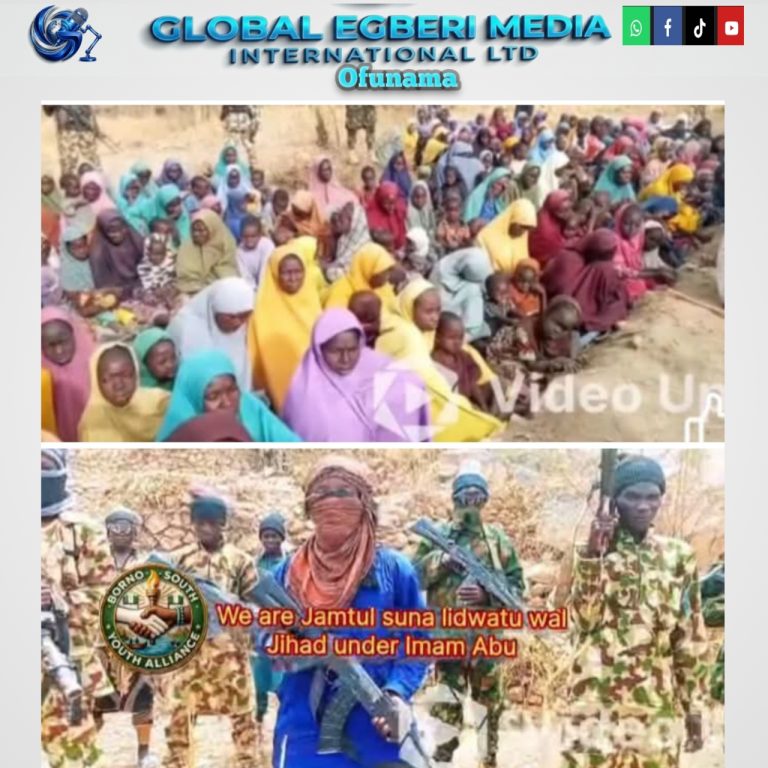
A fresh wave of violence has once again shaken communities in Plateau State, where gunmen reportedly attacked a rural settlement, killing at least eight persons, including members of the same family, and leaving several others injured.
The tragic incident, which occurred under the cover of darkness, has intensified concerns over the persistent insecurity in Nigeria’s Middle Belt, a region that has long struggled with cycles of violence, displacement, and unresolved communal tensions.
A Coordinated Attack That Left Families Devastated
Eyewitness accounts indicate that the attackers stormed the community in a calculated and coordinated manner, catching residents off guard. Gunshots reportedly echoed through the night as families scrambled for safety.
Among the victims were closely related family members, highlighting the deeply personal and devastating nature of the attack. Survivors described scenes of panic, confusion, and helplessness as the assailants moved through the area.
Several injured victims are currently receiving treatment, while local authorities continue to assess the full extent of the damage.
Recurring Violence and a Pattern of Insecurity
This latest attack is not an isolated event. Plateau State has witnessed repeated incidents of violence in recent months, particularly in rural communities where security presence is limited.
These attacks often follow a troubling pattern—night-time raids, targeted communities, and delayed response—raising serious concerns about the effectiveness of current security strategies.
Analysts argue that the persistence of such incidents points to deeper systemic challenges, including intelligence gaps, weak enforcement mechanisms, and long-standing socio-economic tensions.
Understanding the Complexity of the Crisis
The crisis in Plateau State is multifaceted. It is often linked to disputes over land use, farming, and grazing rights, which have, over time, taken on ethnic and religious dimensions.
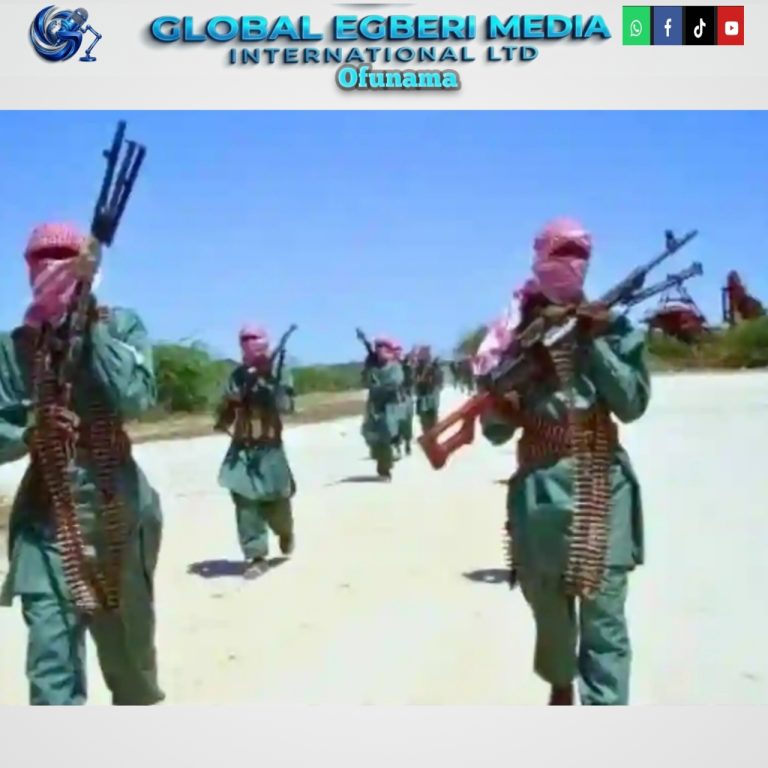
In addition to communal conflicts, the presence of armed criminal elements has further complicated the situation. These groups exploit existing tensions, carrying out attacks that blur the line between organized crime and communal violence.
The result is a cycle of violence that continues to claim lives and destabilize communities.
Humanitarian Impact and Growing Fear
Beyond the statistics, the human cost of the attack is profound. Families have been torn apart, homes destroyed, and survivors left to grapple with trauma and uncertainty.
Many residents now live in fear, unsure of when the next attack might occur. The psychological toll is significant, particularly for children and vulnerable populations.
Displacement is also becoming an increasing concern, as affected families are forced to flee their homes in search of safety.
Government Response and Public Expectations
While security agencies are expected to respond with increased patrols and investigations, public confidence remains fragile. Past incidents have often been followed by promises of action, with limited visible outcomes.
This has led to growing calls for a more proactive and sustained approach to security—one that goes beyond reactive measures and addresses the root causes of the conflict.
Experts emphasize the need for improved intelligence gathering, community engagement, and stronger coordination among security agencies.
Editorial Insight: A Nation at a Security Crossroads
From our perspective at Global Egberi Media International, this tragic incident is more than just another headline—it is a reflection of deeper structural issues within Nigeria’s security framework.
The recurring nature of these attacks suggests that current strategies may not be sufficient to address the evolving nature of insecurity. There is an urgent need for a comprehensive approach that combines security enforcement with socio-economic interventions.
Addressing land disputes, promoting dialogue among communities, and investing in rural development are critical steps toward achieving lasting peace.
The Urgency of National Action
The situation in Plateau State underscores a broader national challenge. Across various regions, communities continue to face threats from different forms of violence, raising fundamental questions about safety and governance.
As Nigeria continues to navigate these challenges, the protection of lives and property must remain a top priority.
Conclusion
The killing of eight persons in Plateau State is a stark reminder of the urgent need for decisive action. Beyond mourning the victims, there must be a renewed commitment to addressing the root causes of insecurity.
For the people of Plateau and other affected regions, the hope remains that meaningful steps will be taken to restore peace, rebuild trust, and ensure a safer future for all.
About the Author
Dr. Odimientimi Agbedeyi is a development advocate, public analyst, and CEO of Global Egberi Media International, with a focus on governance, security, and Niger Delta affairs.
Source: Eyewitness accounts / Local reports
Homepage: https://globalegberi.com.ng
About the Author