
Brig. Gen. Braimah’s Last Call to Twin Brother Cut Short by Deadly Borno Terror Attack
By Dr. Odimientimi Agbedeyi
Nigeria has again been plunged into grief following the tragic death of Brigadier General Oseni Braimah, a senior officer of the Nigerian Army, who was reportedly killed during a terrorist attack on a military formation in Benisheikh, Borno State. The heartbreaking incident has attracted national attention after reports emerged that the late officer was speaking on the telephone with his twin brother moments before the assault claimed his life.
The development has renewed conversations around security challenges in the North-East and the sacrifices made daily by military personnel confronting insurgency and terrorism across the country.
Final Moments: A Call That Ended in Silence
According to reports from family sources, Brigadier General Braimah was engaged in a routine conversation with his twin brother, who resides in the United Kingdom, when the tragic incident occurred.
The two brothers were said to share a close relationship and often communicated despite the geographical distance. During the call, the officer reportedly noticed unusual movement and suspicious sounds around his environment. Moments later, the line went silent.
Repeated attempts to reconnect were unsuccessful. Hours later, the devastating news was confirmed that Brigadier General Braimah had been killed during a terrorist attack on the military base under his command.
The emotional nature of the story has resonated deeply with many Nigerians, highlighting the personal and human side of military service.
Attack on Benisheikh Military Formation
Benisheikh, located along a strategic route in Borno State, has long remained an important operational area in Nigeria’s counterinsurgency campaign. Security formations in the area play critical roles in protecting highways, civilian communities, and military logistics corridors.
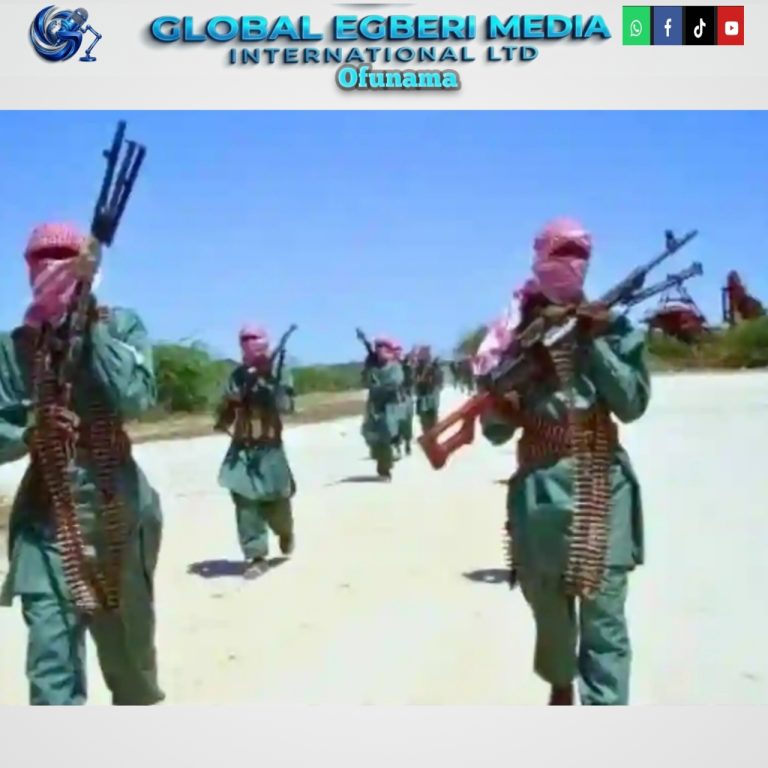
Reports indicate that armed insurgents launched a coordinated nighttime assault on the formation. Though details of the exchange remain limited, the attack resulted in casualties, including the death of Brigadier General Braimah.
The incident underscores the continued threat posed by terrorist elements despite years of military offensives in the region.
Renewed Concern Over North-East Security
Borno State has remained at the center of Nigeria’s battle against Boko Haram and ISWAP insurgent factions. While the military has recorded several operational gains, sporadic attacks on military posts and civilian settlements continue.
Security analysts note that such attacks are often aimed at creating fear, disrupting military operations, and projecting relevance by weakened extremist groups.
The death of a senior commander in active service has intensified calls for improved intelligence gathering, stronger base fortifications, better surveillance systems, and enhanced troop welfare.
Profile of a Distinguished Officer
Brigadier General Braimah was widely regarded as a disciplined and strategic officer with years of service to the nation. Colleagues described him as courageous, experienced, and committed to the welfare of personnel under his leadership.
Over the course of his military career, he reportedly held several command and administrative responsibilities, while also contributing to officer training and operational planning.
His passing represents not only the loss of a family man but also the loss of institutional experience and leadership within the armed forces.
National Mourning and Tributes
Following confirmation of the incident, tributes poured in from military circles, civil society groups, and concerned citizens across Nigeria.
Many described Brigadier General Braimah as a patriot who paid the ultimate sacrifice in service to the country. Others extended condolences to his wife, children, twin brother, and extended family.
The emotional detail of his final phone call has become a symbol of the hidden burdens carried by military families whose loved ones serve in dangerous environments.
Lessons for National Security
This tragedy once again highlights the need for continued reforms in Nigeria’s security architecture. Experts have repeatedly recommended:
- Improved intelligence sharing
- Stronger military technology deployment
- Better protection of frontline formations
- Enhanced aerial surveillance
- Rapid reinforcement systems
- Troop welfare and mental health support
- Sustained counterterrorism funding
As threats evolve, security responses must also adapt to modern realities.
The Human Cost of Conflict
Behind every casualty figure lies a personal story. In this case, it is the story of twin brothers connected by blood and affection, separated by distance, and torn apart by violence in a single tragic moment.
For many military families, uncertainty is part of daily life. The death of Brigadier General Braimah is a painful reminder of the risks borne by those defending the nation.
Editorial Reflection
Condolences alone are not enough. Nigeria must honour fallen heroes through action—by investing in the safety, training, welfare, and operational success of those still serving.
The armed forces continue to defend the nation across multiple fronts, including insurgency, banditry, kidnapping, and strategic infrastructure security. Their sacrifices deserve national support and meaningful reform.
Conclusion
Brigadier General Braimah’s final call to his twin brother has become one of the most emotional stories to emerge from Nigeria’s security crisis in recent times.
His death is both a family tragedy and a national loss. Yet his service, courage, and dedication remain part of the enduring legacy of those who gave their lives for peace and national unity.
About the Author