
Tension at Ijaw House: Security Lockdown Throws INC Election into Uncertainty
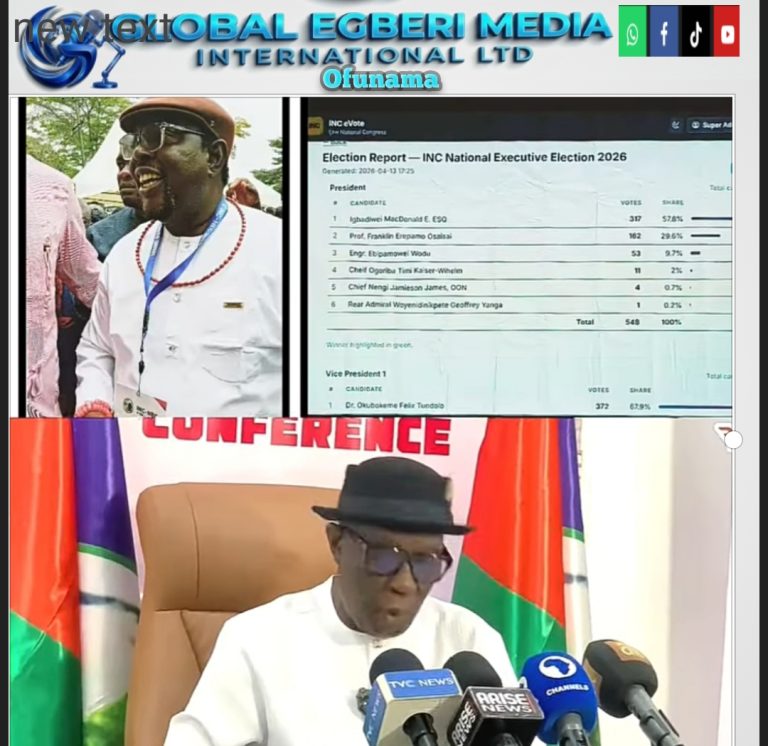
A wave of uncertainty has enveloped the Niger Delta political landscape as security operatives sealed off the Ijaw House in Yenagoa, the traditional venue for the much-anticipated Ijaw National Congress (INC) elections scheduled for today, April 13, 2026.
The dramatic development, which unfolded in the early hours of the day, saw a heavy presence of operatives from the Nigeria Police Force and the Department of State Services (DSS) taking control of the premises, effectively halting all planned electoral activities. The situation has since sparked widespread concern among stakeholders, observers, and members of the Ijaw nation, as the fate of the election now hangs in the balance.
A Morning of Confusion and Heightened Security
Eyewitness accounts indicate that access to the Ijaw House was completely restricted, with security personnel stationed at strategic entry points. Delegates, aspirants, and observers who had begun arriving for the electoral process were reportedly turned back, creating an atmosphere of confusion and tension.
Sources within the security architecture hinted that the action was taken “on orders from above,” though no official statement had been released at the time of filing this report. The lack of clarity surrounding the directive has further fueled speculation about deeper political and legal issues affecting the electoral process.
Underlying Crisis: Petitions and Legal Disputes
Findings reveal that the current impasse is not entirely unexpected. The INC election process has been riddled with controversies, petitions, and legal battles in recent weeks.
Reports indicate that several aggrieved presidential aspirants had lodged formal complaints challenging aspects of the electoral process, including candidate screening and eligibility criteria. These disputes appear to have escalated into broader institutional tensions within the apex socio-cultural organization of the Ijaw people.
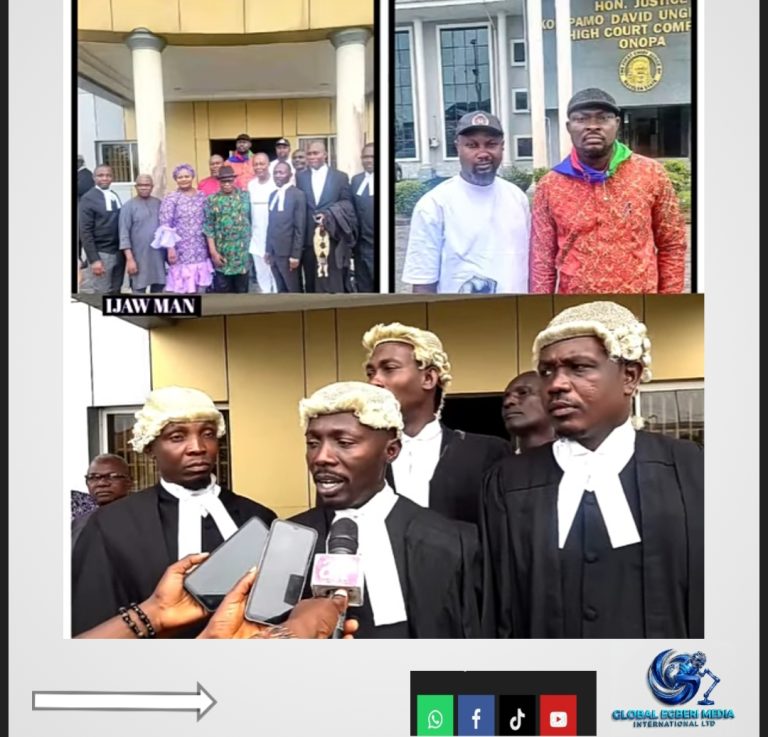
Notably, credible reports confirm that traditional rulers and elders under the umbrella of the National Conference of Ijaw Traditional Rulers and Elders (N-CITRE) had already intervened by suspending the elections pending the resolution of all disputes. (Peoples Gazette Nigeria)
The elders’ decision followed a series of petitions and disagreements that threatened the integrity of the process, leading to the establishment of a dispute resolution committee tasked with addressing all grievances before any election could proceed. (Vanguard News)
Court Interventions and Calls for Boycott
Adding another layer to the crisis are legal interventions that have previously halted the election. A court order had restrained the conduct of the INC polls following allegations of exclusion by some aspirants, underscoring the depth of dissatisfaction within the system. (Businessday NG)
In addition, some stakeholders and groups had openly called for a boycott of the election, insisting that proceeding without resolving pending issues would undermine the credibility and unity of the Ijaw nation. (New Telegraph)
These cumulative pressures appear to have culminated in the current security lockdown, suggesting a coordinated effort to prevent a potentially contentious electoral exercise.
Emergency Stakeholders’ Meeting
Amid the unfolding situation, attention has shifted to a crucial stakeholders’ meeting reportedly scheduled for 9:00 AM today. The meeting is expected to bring together key actors, including the INC leadership, the National Electoral Committee (ELECO), and other influential stakeholders within the Ijaw nation.
The objective of the meeting is to chart a way forward and determine the next steps in resolving the crisis. Observers believe that the outcome of this engagement will be pivotal in deciding whether the election will be postponed indefinitely, rescheduled, or conducted under revised conditions.
Editorial Perspective: A Test of Institutional Integrity
From an editorial standpoint, this unfolding crisis represents a critical test for the institutional integrity of the Ijaw National Congress. As the foremost socio-cultural organization of the Ijaw people, the INC carries the responsibility of upholding democratic principles, transparency, and unity.
The decision by traditional rulers and elders to suspend the election pending dispute resolution reflects a commitment to due process and stability. However, the involvement of security agencies in sealing the venue introduces a new dimension that raises questions about the interplay between internal governance and external enforcement mechanisms.
For the Ijaw nation, this moment calls for restraint, dialogue, and a collective commitment to preserving unity above individual ambitions.
Implications for the Niger Delta
The implications of the current deadlock extend beyond the INC itself. The organization plays a significant role in articulating the interests of the Niger Delta region, particularly on issues of resource control, environmental justice, and regional development.
A prolonged crisis within the INC could weaken its capacity to effectively represent the aspirations of the Ijaw people at both national and international levels. It is therefore imperative that all stakeholders approach the situation with a sense of urgency and responsibility.
Conclusion
As events continue to unfold, one thing remains clear—the future of the INC election is uncertain, and the path forward will depend largely on the decisions taken in the coming hours.
The sealing of the Ijaw House is not just a security action; it is a symbol of a deeper institutional crisis that demands thoughtful resolution. Whether this moment becomes a turning point for reform or a source of prolonged division will depend on the willingness of stakeholders to prioritize unity, fairness, and the collective good.
For now, all eyes remain on Yenagoa as the Ijaw nation awaits clarity on the fate of its most important socio-political process.
Source: Vanguard / Peoples Gazette / Global Egberi Media International
🌐 https://globalegberi.com.ng
About the Author