
Four Killed In Creek Camp Attack As Abiala II Community Denies Involvement, Calls For Thorough Probe
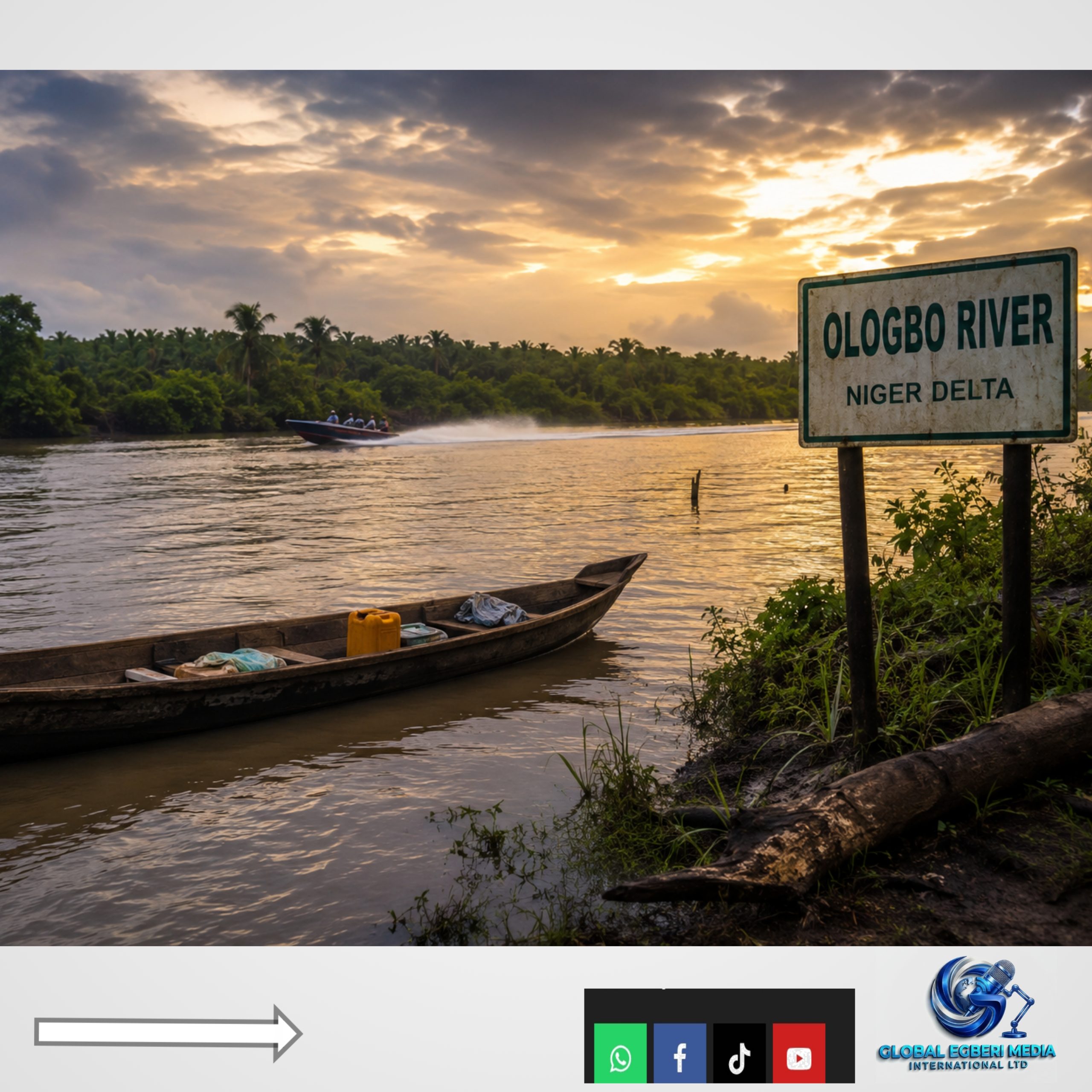
The fragile peace along the creeks of the Niger Delta has once again been shaken following a deadly attack that reportedly claimed the lives of four persons at the Late Brandly Camp around the Ologbo River axis.
According to information made available to Global Egberi Media International Ltd, tension escalated after reports emerged that unidentified speedboats were seen moving in and out of the Ologbo River area at about 10 p.m. on the night preceding the tragic incident. By the following morning, shocking reports filtered into nearby communities that armed attackers had stormed the Late Brandly Camp at approximately 2 a.m., leaving four persons dead in what residents have described as a horrifying assault.
In the aftermath of the incident, allegations reportedly surfaced from Mr. Felix Brandly Tiemo, who accused Abiala II Community, also known as Kokodiagbene, of allegedly conniving with one Mr. Million to unleash violence on the camp.
However, leaders and stakeholders of Abiala II Community have strongly denied any involvement in the attack, insisting that the allegations against the community are false, malicious, and capable of escalating tensions within the region.
Speaking through the Chairman and leaders of the community, Abiala II maintained that while there had previously been disagreements between the community and the Brandly family, the issues were strictly civil and centered around unpaid annual tenancy levies.
According to the community leaders, the misunderstanding began after the family allegedly refused to pay yearly tenancy rates expected from occupants operating within the area. The disagreement, they explained, eventually led to accusations and counter-accusations that drew the attention of security agencies, including Zone 5 Police Command and later the Egbema Peace Keeping Force.
The community further revealed that despite attempts at peace by the Egbema Peace Keeping Force, the matter remained unresolved until it was later taken before the Nigerian Marine Police at Ologbo.
It was at the Marine Police division, according to the community, that peace was eventually brokered after the head of the Marine Police reportedly directed the family to settle all outstanding levies owed to the community — a directive they allegedly complied with.
Leaders of Abiala II stated that following the settlement, the community even gave the Brandly family the opportunity to submit damage claims during a recent assessment exercise conducted by Sahara Energy Company, a move they say clearly demonstrates that no hostility existed between both parties.
“The community does not have any disagreement with the family,” the leaders emphasized, while distancing themselves completely from the killings.
They pleaded passionately with the public, security agencies, and neighboring communities not to drag Abiala II into what they described as a “dastardly act” carried out by unknown persons.
The leadership of the community also expressed deep sympathy to the affected families and mourned the lives lost during the attack, stressing that no responsible community would celebrate such bloodshed.
They further called on law enforcement agencies to conduct a comprehensive and unbiased investigation to uncover the true perpetrators behind the killings rather than relying on accusations fueled by existing misunderstandings.
Editorial Insight
The tragic incident once again exposes the dangerous volatility surrounding disputes in riverine communities across the Niger Delta, where disagreements over tenancy rights, surveillance contracts, oil-related compensations, and territorial claims can quickly spiral into deadly confrontations if not properly managed.
While accusations may emerge in moments of grief and anger, security agencies must resist the temptation of rushing to conclusions without credible evidence. False allegations in conflict-prone areas can deepen divisions, trigger reprisals, and ignite wider communal unrest.
This development also underscores the urgent need for stronger conflict resolution mechanisms among oil-bearing communities. Traditional rulers, youth leaders, community development committees, and security stakeholders must prioritize dialogue over hostility, especially in areas already burdened by poverty, environmental degradation, and long-standing tensions linked to oil exploration activities.
At this critical moment, the focus should remain on justice for the deceased, protection of innocent residents, and restoration of peace within the affected riverine communities.
Global Egberi Media International Ltd gathered that residents in surrounding areas are now living in fear as uncertainty continues to cloud the circumstances surrounding the attack.
As investigations continue, many observers believe only a transparent and professional inquiry by security authorities can prevent further escalation and ensure that those truly responsible are brought to justice.
Author: Dr. Odimientimi Agbedeyi
Source: Community Statement and Local Reports
About the Author