Lagos Baby Factory Bust: A Wake-Up Call Against Human Trafficking in Nigeria
By Dr. Odimientimi Agbedeyi
The recent exposure of an alleged baby factory in the Ijegun area of Lagos has once again brought national attention to one of the darkest and most inhumane criminal enterprises operating in parts of Nigeria. Behind the walls of such illegal facilities are heartbreaking stories of deception, confinement, abuse, and the unlawful sale of children.
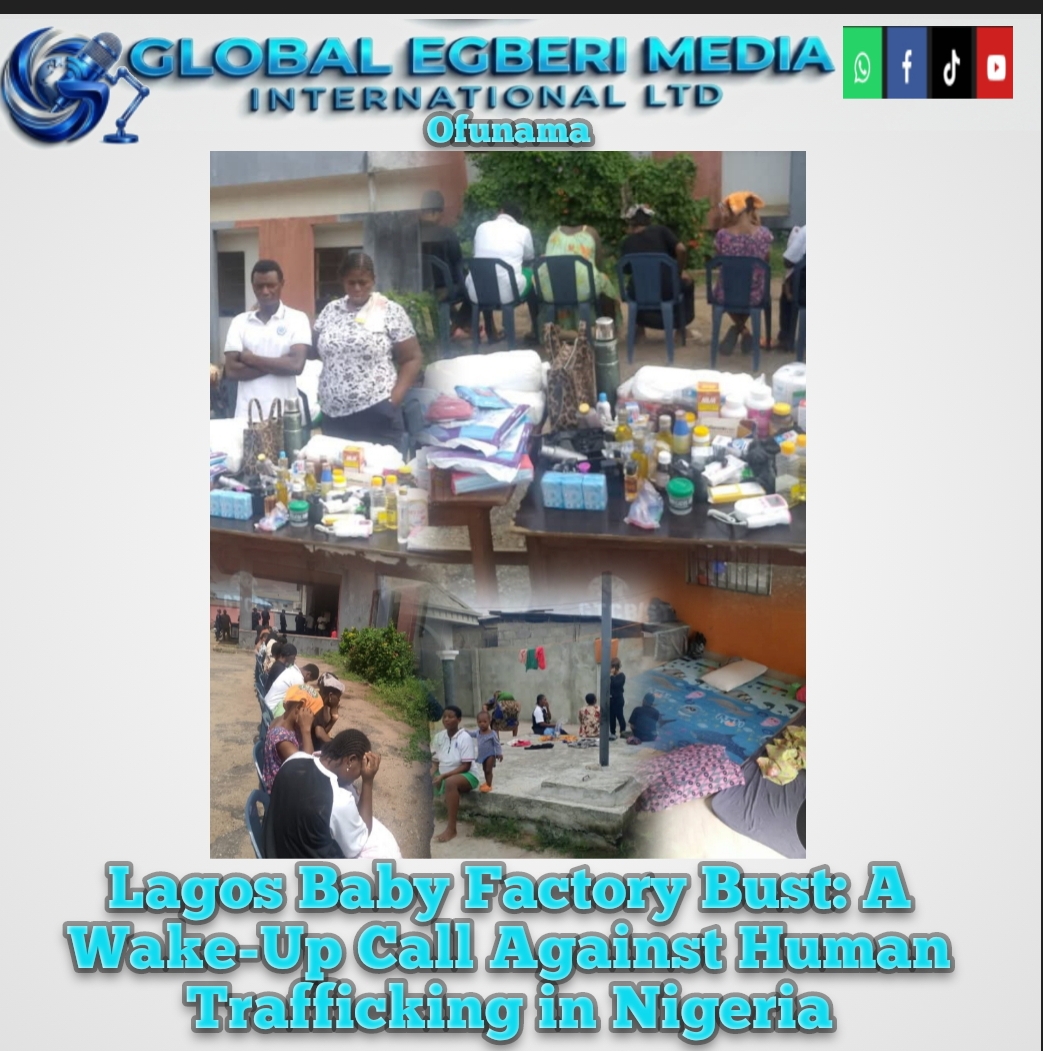
According to reports by the Lagos State Police Command, operatives acting on intelligence raided the location, arrested three suspects, and rescued women and children who were allegedly held against their will. The operation has been widely commended as a major breakthrough in the fight against organized crime and human trafficking.
Yet, beyond the headlines lies a deeper truth: this is not an isolated case. It is a reflection of wider social, economic, and institutional challenges that continue to make vulnerable people targets of exploitation.
Understanding the Evil Called Baby Factory
The phrase “baby factory” is used to describe illegal centres where women—often young, poor, vulnerable, or deceived—are forced, manipulated, or pressured into pregnancies. After childbirth, babies may be sold through underground adoption rings, trafficked, or used for other criminal purposes.
These centres are a gross violation of human rights. They turn motherhood into a business transaction and reduce innocent children to commodities. Women are often denied freedom, healthcare, and dignity, while newborn babies are stripped of identity, family bonds, and legal protection.
This practice is not only criminal; it is a moral stain on society.
Why These Crimes Continue to Exist
The continued existence of baby factories in Nigeria is linked to several root causes:
- Rising poverty and unemployment
- Weak social welfare systems
- Human trafficking syndicates
- Desperation among couples seeking children
- Stigma surrounding infertility and unplanned pregnancy
- Corruption and weak law enforcement in some areas
- Low public awareness and fear of reporting suspicious activity
Criminal networks thrive where institutions are weak and where desperation creates demand.
Commending the Lagos Police
The Lagos State Police Command deserves commendation for acting swiftly on credible intelligence. The rescue of victims and arrest of suspects demonstrates the importance of proactive policing, community collaboration, and intelligence gathering.
However, the work must not stop at arrests. Thorough investigations must expose everyone connected to the network, including financiers, recruiters, transporters, fake medical personnel, and buyers of trafficked children.
Justice must be complete, not partial.
Victims Need Healing, Not Just Rescue
Rescuing victims is only the first phase. Many survivors of trafficking and forced confinement experience severe trauma, depression, fear, shame, and long-term emotional pain.
Government agencies, NGOs, faith groups, and healthcare professionals should urgently provide:
- Safe shelter and protection
- Medical treatment
- Psychological counselling
- Legal assistance
- Education and vocational training
- Reintegration support for survivors
Without proper rehabilitation, survivors may remain vulnerable to future exploitation.
The Role of Communities
Communities must become more vigilant. Criminal operations like baby factories often survive because neighbours ignore warning signs or fear speaking out.
Possible warning signs may include:
- Restricted movement of young women in a building
- Unusual secrecy around occupants
- Frequent movement of babies or children
- Strange medical activities in residential areas
- Women appearing distressed or malnourished
- Sudden disappearance of pregnant girls
Traditional rulers, youth leaders, market associations, churches, mosques, and community development groups must work with security agencies to report suspicious activity.
Silence helps traffickers. Awareness stops them.
Government Must Go Beyond Reaction
Nigeria must move from reacting to cases after discovery to preventing them before they begin. This requires stronger social investments and policy reforms such as:
- Job creation for vulnerable youth and women
- Stronger anti-trafficking enforcement
- Better regulation of orphanages and adoption systems
- Expanded reproductive health education
- Support services for pregnant teenagers and abandoned women
- Swift prosecution of trafficking cases
- National awareness campaigns in local languages
Where poverty and hopelessness reduce, exploitation becomes harder.
The Moral Question Before Society
Every baby factory case forces society to ask difficult questions. How do women become so vulnerable that criminals can trap them? Why are babies treated as products? Why do some buyers ignore legal adoption channels? Why do neighbours sometimes look away?
The answers reveal that fighting baby factories is not only a police matter. It is a social responsibility.
Families must support vulnerable girls. Religious institutions must teach compassion and ethics. Schools must educate students. Media organizations must continue investigative reporting. Leaders must prioritize the dignity of citizens.
Conclusion
The Lagos baby factory bust should not be treated as another passing news story. It is a warning signal that deeper cracks remain in the social system. Until poverty is reduced, justice strengthened, and vulnerable citizens protected, such criminal enterprises may continue to emerge.
Nigeria must choose between protecting human dignity or allowing exploitation to flourish in hidden corners.
Every woman deserves freedom.
Every child deserves identity.
Every trafficker deserves justice.
About the Author