Trump Delays Iran Strike as Middle East Crisis Deepens
The already fragile geopolitical landscape of the Middle East has entered yet another tense and uncertain phase, following a significant announcement by Donald Trump to temporarily suspend planned United States military strikes on Iran’s critical energy infrastructure. The move, widely interpreted as a cautious shift toward diplomacy, comes even as the region remains gripped by escalating military confrontations involving Iran, Israel, and the United States.
The crisis, which intensified dramatically in late February 2026, has evolved into one of the most volatile geopolitical standoffs in recent years, with far-reaching implications for global security and energy markets.
A Strategic Pause Amid Rising Tensions
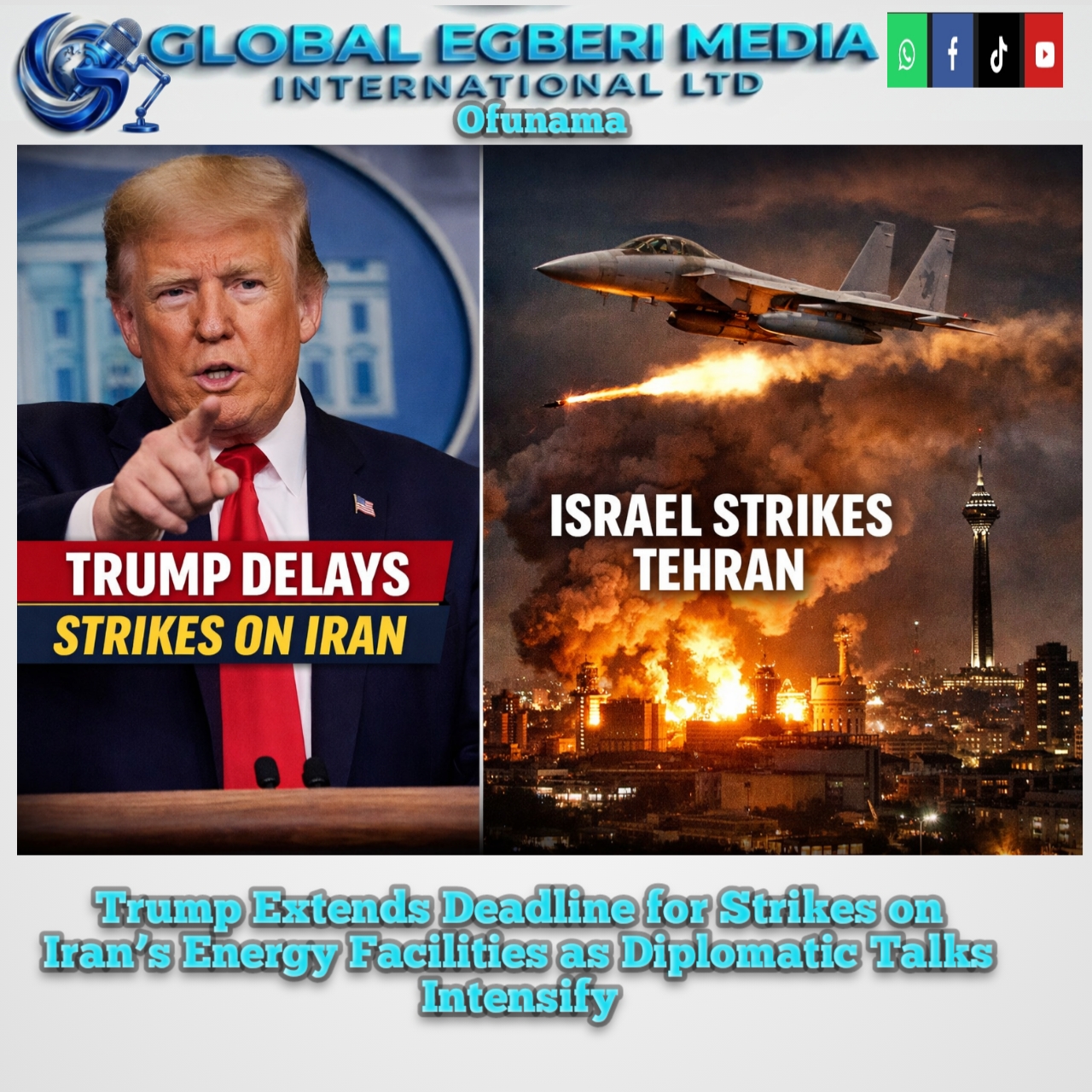
In what observers describe as a calculated diplomatic maneuver, President Trump announced a ten-day postponement of the anticipated strikes on Iran’s oil and energy facilities. The extension pushed the deadline to April 6, 2026, offering a narrow window for ongoing negotiations between Washington and Tehran.
According to international reports, the decision followed requests from Iranian authorities for more time to engage in dialogue. Trump, expressing cautious optimism, stated that discussions were “progressing very well,” signaling a potential—though uncertain—path toward de-escalation.
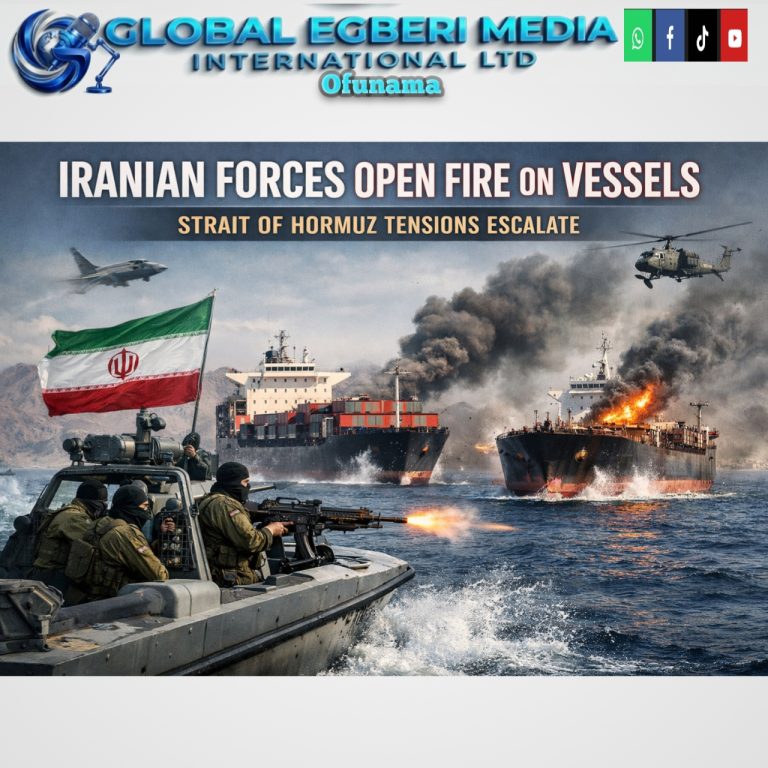
The proposed strikes had been part of a broader U.S. response to escalating tensions surrounding the Strait of Hormuz, a critical global oil transit chokepoint. The Trump administration had earlier warned that failure by Iran to comply with demands related to maritime security and shipping access could trigger targeted attacks on key economic assets within Iranian territory.
The Strait of Hormuz: A Global Flashpoint
At the heart of the crisis lies the Strait of Hormuz, a narrow but strategically indispensable waterway through which a significant percentage of the world’s oil supply is transported daily. Any disruption to this route poses immediate risks to global energy stability, with potential ripple effects on international markets and economies.
Iran’s posture in the region—including threats of closure or militarization of the strait—has heightened fears among global powers, particularly energy-dependent nations. Analysts warn that a direct confrontation in this corridor could ignite a broader regional conflict with severe economic consequences.
Israeli Strikes Escalate Military Pressure
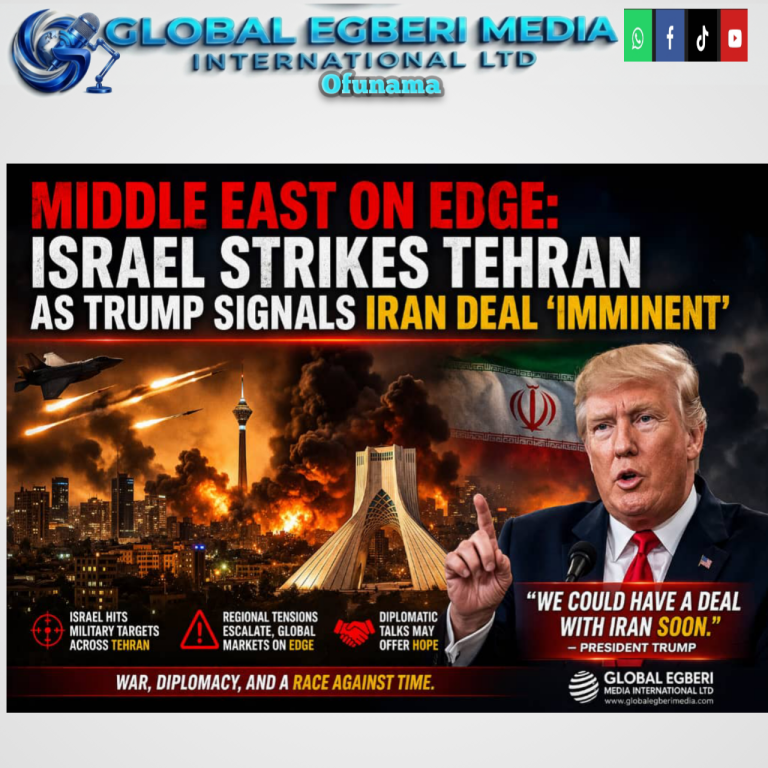
While diplomatic efforts continue behind closed doors, military actions on the ground have shown no signs of slowing. The Israeli military recently confirmed a series of large-scale airstrikes targeting strategic locations in Tehran, the Iranian capital.
These operations form part of an ongoing campaign aimed at weakening Iran’s military capabilities and infrastructure. The strikes, carried out in the early hours of Friday, underscore the dual-track nature of the current crisis—where diplomacy and warfare are unfolding simultaneously.
The conflict, now nearing a month since its most recent escalation, has witnessed a pattern of retaliatory actions. Iran has responded to earlier U.S.–Israeli offensives with missile strikes directed toward Israeli territory and other regional targets, further intensifying hostilities.
A Conflict with Global Implications
Beyond the immediate actors, the unfolding crisis has drawn the attention of the international community due to its potential to disrupt global stability. Energy markets remain particularly vulnerable, with any sustained disruption in oil flows through the Strait of Hormuz likely to trigger price surges and supply shortages.
Moreover, the risk of the conflict expanding beyond its current scope looms large. Military analysts caution that a direct U.S. strike on Iran’s energy infrastructure could provoke widespread retaliation, drawing in additional regional actors and possibly leading to a prolonged and devastating confrontation.
Diplomatic Channels Remain Open
Despite the continued exchange of military force, diplomatic engagements have not been entirely sidelined. Reports indicate that multiple intermediaries—including regional stakeholders and international organizations—are actively working to facilitate dialogue between the United States and Iran.
However, significant obstacles remain. Iranian officials are said to be demanding substantial concessions, including compensation for damages incurred during the conflict and formal recognition of their strategic interests in the Strait of Hormuz.
These demands have complicated negotiations, creating a delicate balancing act for U.S. policymakers seeking to avoid further escalation while maintaining strategic leverage.
A Region on the Brink
The temporary suspension of U.S. strikes offers a brief moment of hope for de-escalation. Yet, the continuation of Israeli air operations and Iran’s retaliatory posture highlight the fragile nature of the current situation.
Global leaders are closely monitoring developments, aware that the decisions taken in the coming days could determine whether the region edges toward diplomatic resolution or descends into a wider and more destructive conflict.
Conclusion: Between War and Diplomacy
The Middle East now stands at a critical crossroads. The interplay between military aggression and diplomatic restraint underscores the complexity of the crisis.
President Trump’s decision to delay strikes may provide an opportunity for dialogue, but it does not eliminate the underlying tensions driving the conflict. With stakes as high as global energy security and regional stability, the need for measured, strategic, and cooperative action has never been more urgent.
Whether this pause leads to meaningful progress or merely postpones a larger confrontation remains uncertain. What is clear, however, is that the world is watching—and waiting.
Source: Reuters / Al Jazeera / Al Arabiya English / The Guardian / International Agencies
Global Egberi Media International: https://globalegberi.com.ng/wp
Author: Dr. Odimientimi Agbedeyi
About the Author