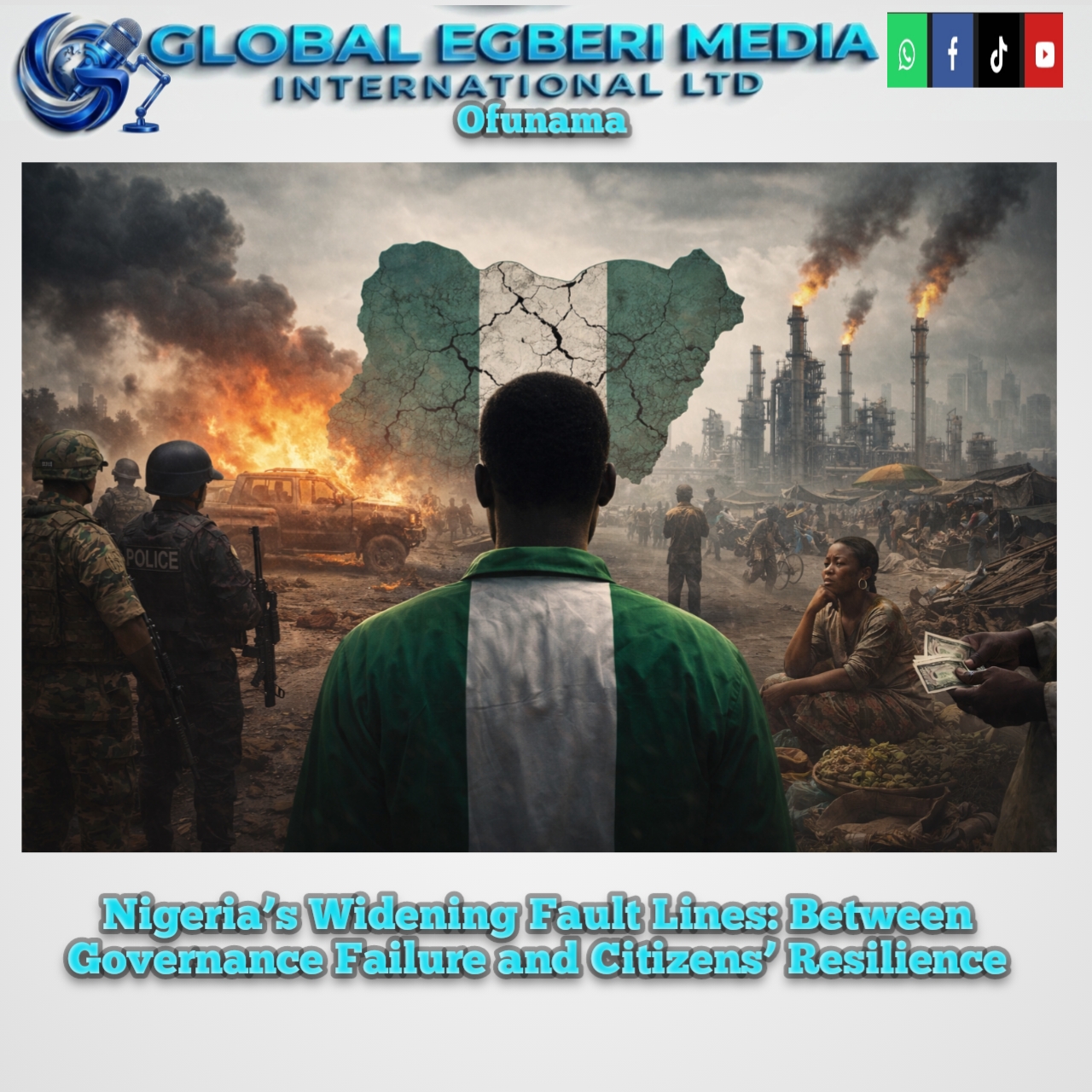
Nigeria’s Widening Fault Lines: Between Governance Failure and Citizens’ Resilience
In a nation brimming with human potential and natural endowment, it is both tragic and perplexing that Nigeria continues to grapple with deepening crises across multiple fronts. From insecurity in the North-West to economic hardship nationwide and political tensions in various regions, the country appears to be walking a tightrope between survival and systemic strain.
Recent developments—from deadly ambushes on security personnel in Kebbi to rising agitation in the Niger Delta—underscore a troubling pattern: a state increasingly reactive rather than proactive. The frequency and sophistication of violent attacks raise urgent questions about intelligence coordination, operational readiness, and the broader architecture of national security.
But beyond the battlefield, another crisis simmers quietly in homes, markets, and workplaces—the economic burden on ordinary Nigerians. Inflation continues to erode purchasing power, unemployment remains stubbornly high, and the cost of basic necessities keeps climbing. For many citizens, survival has become a daily negotiation rather than a given.
At the heart of these intersecting challenges lies a fundamental issue—governance.
Governance is not merely about occupying offices or making policy pronouncements. It is about delivering tangible outcomes that improve the lives of citizens. It is about accountability, transparency, and responsiveness. Unfortunately, there is a growing perception among Nigerians that leadership at various levels is disconnected from the realities faced by the people.
This disconnect fuels frustration, erodes trust in institutions, and, in some cases, drives individuals toward alternative—often dangerous—means of survival and expression.
Yet, amid these challenges, one cannot ignore the extraordinary resilience of the Nigerian people.
Across the country, citizens continue to innovate, adapt, and endure. From small business owners navigating a harsh economic climate to community leaders stepping in where formal structures fall short, Nigerians have repeatedly demonstrated an unyielding spirit.
However, resilience should not be mistaken for acceptance.
The burden of nation-building cannot rest solely on the shoulders of the people. Government must rise to its responsibilities. Security agencies must be better equipped and coordinated. Economic policies must be people-centered and sustainable. And perhaps most importantly, leaders must listen—truly listen—to the voices of the governed.
The role of the media, civil society, and institutions in this moment cannot be overstated. They must continue to hold power accountable, amplify citizen concerns, and advocate for reforms that address root causes rather than symptoms.
Nigeria stands at a critical juncture.
The choices made today—by leaders and citizens alike—will shape the trajectory of the nation for years to come. Will the country continue on a path of reactive governance and fragmented responses? Or will this moment serve as a turning point toward strategic, inclusive, and accountable leadership?
The answer lies not in rhetoric, but in action.
For Nigeria to move forward, it must confront its realities with honesty and courage. It must invest in systems that work, empower institutions that deliver, and cultivate leadership that prioritizes the collective good over personal or political gain.
Anything less risks perpetuating a cycle of crisis and missed opportunity.
The time for incremental fixes has passed. What Nigeria needs now is bold, decisive, and people-driven transformation.
About the Author